
REVIEW · HONSHU, JAPAN
Asakusa: Culture exploring bar visits after history tour
Asakusa changes after sunset. This four-hour tour pairs the district’s temples and riverfront story with food and drinks at three local-style bars, giving you a useful link between what you see and what people eat. I like the way it treats cuisine as part of Japanese culture rather than as a separate dinner stop. I also like the small group, limited to eight people, since that should make it easier to hear the guide and ask questions.
The main consideration is the balance between sightseeing and eating. One Canadian participant felt the temple portion took too much time and wanted more cultural explanation through food. You should also be ready for plenty of walking, stairs, and standing, since the experience is not suitable for people with mobility impairments.
Key points to know before booking
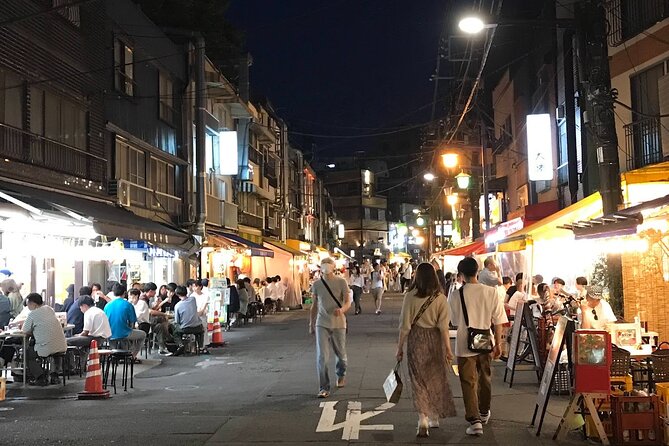
- Asakusa’s story begins with the Sumida River: The guide explains why the river is tied to the origin of Senso-ji Temple.
- Three evening venues are included: Your food and drink portion covers three to four dishes and three to four drinks.
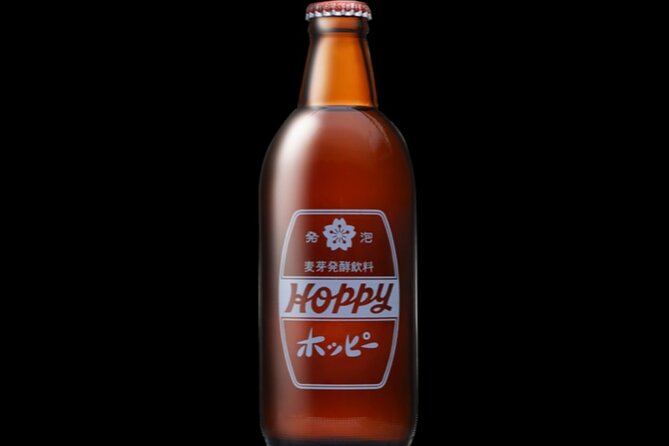
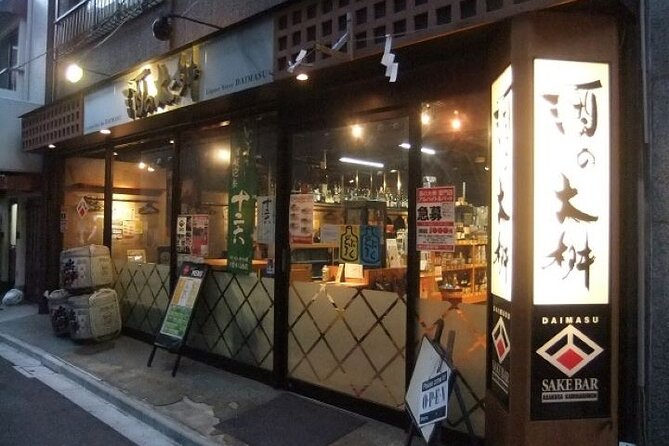
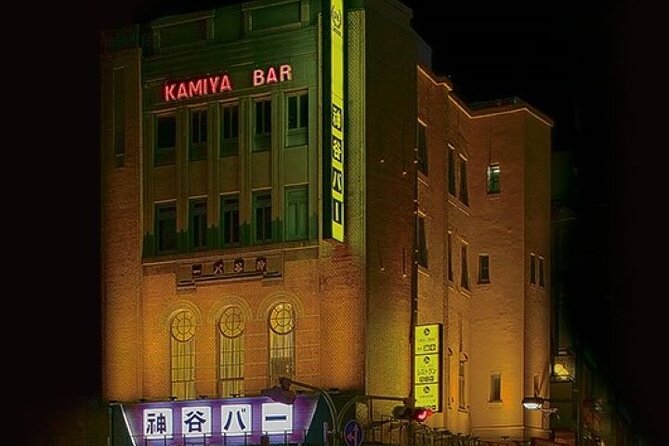
- The stops have different characters: The route includes an izakaya, a sake bar, and a venue presented as Tokyo’s oldest bar.
- The group is capped at eight: Headsets help you follow the English-speaking guide even when you are not standing right beside them.
- Aki receives special praise for hospitality: If Aki leads your tour, expect a warm, personal approach to showing Asakusa to visitors.
- The price includes dinner, not just a walk: At $154 per person, the value depends on how much you appreciate the history lesson and included drinks.
Starting beside Asakusa Station
The meeting point is in front of the Burger King beside Exit 4 of Asakusa subway station, on the Ginza Line at station G19. You need to come out of Exit 4 rather than waiting somewhere underground, so allow enough time to find the street entrance.
This is a practical meeting place for a first visit to Asakusa. You are beginning beside a major subway stop, then moving into one of Tokyo’s oldest sightseeing districts. Hotel pickup is not included, so you must make your own way there and return independently after the tour.
Wear comfortable shoes and bring water. The four-hour schedule combines a walking tour with several food and drink stops, so this is not the night for stiff shoes or a heavy daypack.
More History Walks in Tokyo:
- Asakusa: Culture exploring bar visits after history tour
★ 5.0 · 4 reviews - New Orleans Cocktail and Food History Tour
★ 5.0 · 819 reviews - New Orleans Cocktail History Walking Tour in the French Quarter
★ 5.0 · 604 reviews
The first lesson: Asakusa and the Sumida River
The tour begins with history rather than dinner. That is a smart choice. If you eat first, Asakusa can become a string of restaurants and lanterns. By starting with the district’s past, the guide gives the evening a framework.
One of the central questions concerns the Sumida River and the origin of Senso-ji Temple. The guide explains the connection between the river and the temple, then shows how the two helped shape Asakusa over many centuries.
The district is presented as a place that grew alongside Senso-ji. That matters because Senso-ji is not simply a beautiful temple dropped into a modern neighborhood. The temple and surrounding streets developed together, creating a center for religious visits, entertainment, trade, and everyday life.
You will hear about Asakusa’s 1,400-year history as you follow the route. That long span gives the tour more substance than a quick photo stop at the temple gate. You are not only looking at old buildings. You are learning how the area became one of Tokyo’s key cultural centers.
Seeing Senso-ji under evening lights
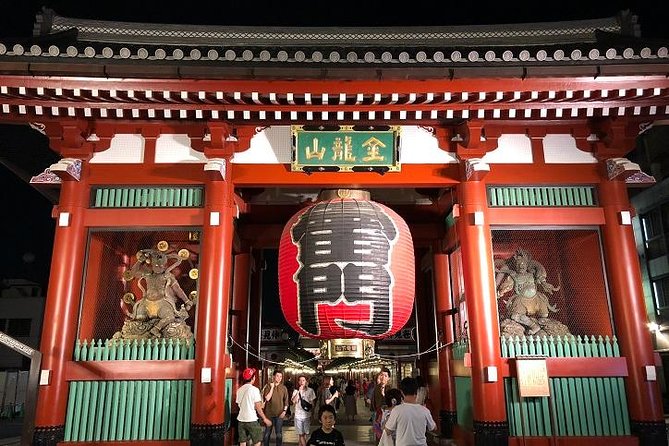
Senso-ji is a familiar Tokyo sight, but evening changes the mood. Historic structures lit after dark have a quieter visual appeal than they often do during the busiest daytime hours. The lighting draws attention to rooflines, gates, and the temple’s formal design.
The tour uses this setting as part of the history lesson. You can look at the landmarks while hearing how Asakusa developed around them. Headsets are included, which is useful when the group spreads out near a major sight or when the guide needs to speak while you are standing at a short distance.
The temple area is also the part of the experience most likely to feel familiar if you have already visited Asakusa. If you have seen Senso-ji earlier in the day, you may prefer a shorter explanation here and more time at the food stops. That is the main scheduling concern raised by the available feedback.
Still, first-time visitors will likely get more from the temple walk than they would from visiting alone. The guide supplies a reason for the area’s importance and connects the scenery to the evening’s food and drink.
Asakusa as a gateway to modern Japan
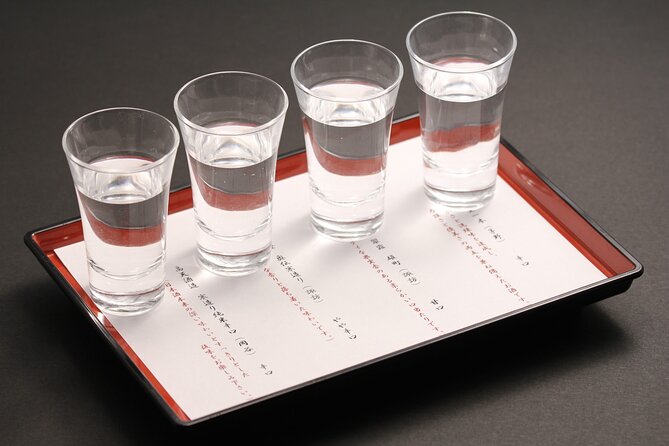
The tour does not present Asakusa only as an old quarter. Another theme is the district’s role as a forerunner of Japanese modernization.
That is a worthwhile angle. Japan’s past is often presented as if temples and modern cities belong to separate worlds. Asakusa shows how older religious and commercial traditions continued as the country changed. The guide also explains how the culture that grew here influenced the wider world.
The exact level of detail will depend on the guide, but the intended approach is clear: history is not treated as a list of dates. It is connected to public life, entertainment, dining, and the ways people gathered together.
This is where a small group helps. With no more than eight people, the guide has a better chance to answer follow-up questions rather than delivering a speech and moving on. The headsets also reduce the usual problem of losing the explanation when you are at the back of a walking group.
More Bar Crawls in Tokyo:
- Tokyo Bar Hopping Tour in Shinjuku (All-You-Can-Drink + Dinner)
★ 5.0 · 3,587 reviews - Shibuya Meltdown Nightlife Tour: All-You-Can-Drink Bar Hopping
★ 5.0 · 1,058 reviews - Tokyo: Pub Crawl and Bar Tour
★ 4.5 · 951 reviews - Tokyo: Shinjuku Bar Hopping with All-You-Can-Drink & Dinner
★ 4.9 · 440 reviews
Moving from landmarks to izakaya
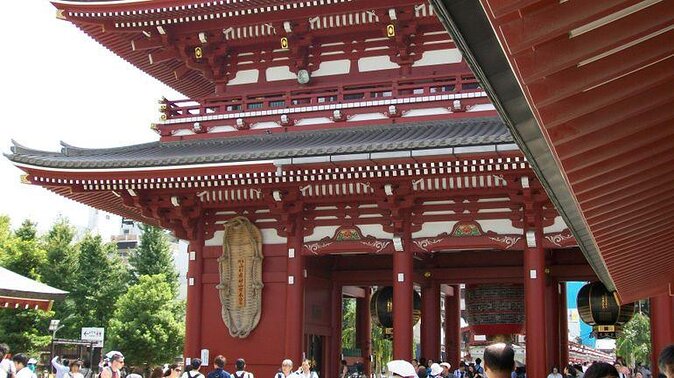
After the sightseeing portion, the tour changes pace. You move into three different eating and drinking venues that represent the kind of places locals use to relax with coworkers and friends.
An izakaya is not a formal restaurant built around a grand presentation. It is a social place for drinks, small dishes, and conversation. The appeal is in the shared experience and the ordinary nature of the food. You are seeing how people unwind after work, not attending a carefully staged tasting menu.
That distinction is important at this price. You are not paying for luxury dining. You are paying for an evening that combines an English-language cultural explanation with a meal and several drinks in places chosen for their connection to daily life.
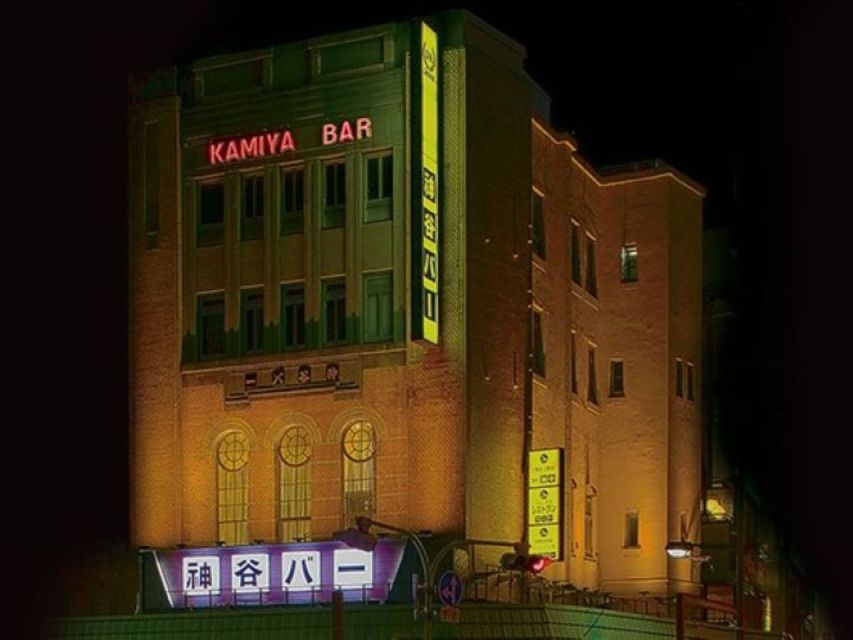
The three stops have different identities. The route includes an izakaya, a sake bar, and a bar described as Tokyo’s oldest. That variety should keep the food portion from feeling like the same stop repeated three times.
You receive three to four dishes and three to four drinks. The provided details do not specify the exact menu, so you should not book this expecting a fixed list of famous dishes. Instead, think of it as a guided introduction to casual Japanese dining and drinking culture.
What the food portion teaches you
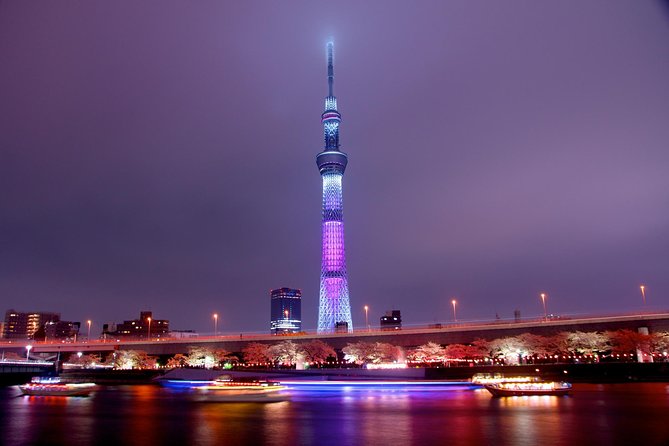
The tour’s strongest idea is that food can explain history in a direct, practical way. At the venues, the guide helps you understand why humble dishes and everyday drinks matter within Japanese culture.
You may be used to Japanese cuisine being presented through sushi, kaiseki, or ramen. Izakaya food offers another view. The dishes are closely tied to social habits and local routines, and the setting shows how people share food without turning dinner into a formal event.
I like this approach because it gives you something useful for the rest of your Japan trip. After the tour, you should have a better sense of what an izakaya is and why locals choose one. You may also feel less hesitant about entering a small bar or ordering several dishes to share.
The food stops also give the guide a chance to connect modern habits with older traditions. The evening is not only about what is on the plate. It is about who eats together, how drinks shape conversation, and why simple dishes remain important.
That said, the food portion may feel too brief if you want long explanations at each stop. A four-hour tour must divide its time between walking, temple history, three venues, and several servings. If food culture is your main goal, you may wish the schedule leaned more heavily toward eating and discussion.
The value of three drinks and three dishes
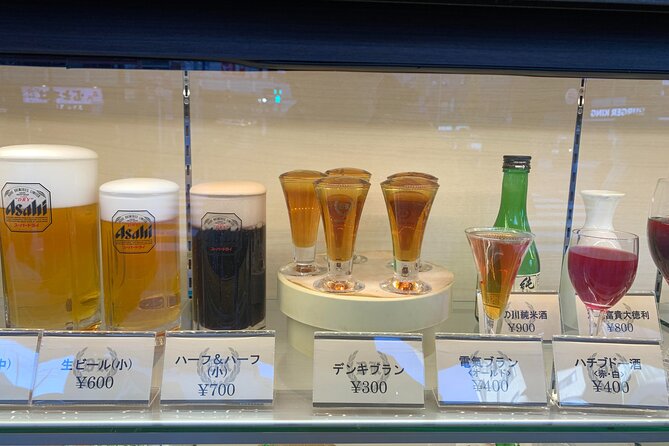
At $154 per person, the included food and drinks make a major difference. You receive three to four drinks and three to four dishes, along with a four-hour guided experience. That is more useful than paying separately for a basic temple walk and then trying to find suitable bars on your own.
The value is best for someone who wants context. If you only want dinner, the price may seem high because izakaya meals are generally casual rather than luxurious. If you want a guide to explain the customs, select several stops, and help you understand what you are eating, the package becomes easier to justify.
The drinks are included, but the details do not say what types are served. The route refers to a sake bar, so sake may be part of the experience, but you should not assume every drink will be sake. Anyone with dietary restrictions should also confirm arrangements before booking, since the available information does not describe substitutions or a special menu.
The tour is a better fit for adults who enjoy tasting drinks and sharing dishes than for someone seeking a quiet, formal meal. It is also useful early in a Tokyo visit, when you want practical guidance before exploring Japanese bars independently.
A guide-led night with a personal touch
A certified professional guide leads the tour in English. The headset system is a small but worthwhile detail. Tokyo streets can be noisy, and a group walking through a popular district can quickly spread out.
Aki is the guide whose hospitality receives the strongest praise in the available feedback. One Japanese participant booked the experience for overseas friends and felt Aki made the evening especially welcoming. That points to an important strength: the tour can work well when one person in your party wants to show friends a side of Tokyo that is difficult to arrange alone.
Of course, guides vary by date. You should treat Aki’s warm reception as a positive sign, not a guarantee that Aki will lead every departure. The capped group size still gives the experience a more personal structure than a large coach tour.
The small group also matters at the bars. An eight-person maximum is compact enough to move between venues without the cumbersome feel of a large organized outing. It should also make ordering and conversation easier, though the exact atmosphere will depend on the group you join.
Who should choose this Asakusa experience?
I would recommend it to you if you meet most of these conditions:
- You want Asakusa’s history explained in plain English.
- You enjoy casual food and drinks more than formal dining.
- You like learning through ordinary local places.
- You are comfortable walking for several hours.
- You want a small group rather than a large sightseeing party.
- You are visiting Tokyo for the first time and want help understanding izakaya culture.
It is particularly useful for friends, couples, or a small family group with adults who can enjoy the included drinks. The tour also suits someone who wants a social evening but does not want to plan three separate venues.
I would be more cautious if you have already spent a great deal of time at Senso-ji and mainly want an extended food tour. The temple and history section comes first and is a meaningful part of the schedule. The previous feedback suggests that some people would prefer less time there and more food-based cultural discussion.
You should also reconsider it if walking is difficult. The activity is specifically not suitable for people with mobility impairments, and comfortable shoes are recommended for good reason.
Timing, cancellations, and practical planning
The experience lasts four hours, but the starting time varies. You need to check the available departure times when booking. Since the tour ends after an evening of drinks, plan your onward transportation before you arrive, even though hotel drop-off is not provided.
You can cancel up to 24 hours in advance for a full refund. You can also reserve now and pay later, which is useful if your Tokyo schedule is still changing.
There are only two publicly available ratings, with an overall score of 4.9. That is encouraging, but it is still a small sample. I would place more weight on the clear strengths of the format: the small group, the professional guide, the included drinks and dishes, and the link between Asakusa’s past and present.
Should you book this Asakusa night tour?
Book it if you want more than temple photos. The best part is the combination of a 1,400-year story, evening views of Senso-ji, and a guided introduction to three casual drinking venues. You get dinner and drinks, but the real value is having someone explain how food, social life, and Asakusa’s development fit together.
Skip it if you want a dedicated food crawl with minimal sightseeing, or if you already know the temple district well and would rather spend the full evening eating. For everyone else, especially first-time visitors who feel unsure about izakaya etiquette, this is a practical and personable way to meet Asakusa after dark.
FAQ
Where does the Asakusa tour meet?
It meets in front of the Burger King next to Exit 4 of Asakusa subway station, station G19 on the Ginza Line. You should leave the station through Exit 4.
How long does the experience last?
The tour lasts four hours. Starting times vary, so you need to check availability for the date you want.
What is included in the price?
The price includes an in-depth Asakusa history tour, an English-speaking certified professional guide, headsets, three to four drinks, and three to four dishes at the izakaya stops.
How many people can join the tour?
The group is limited to eight participants.
Is hotel pickup included?
No. Hotel pickup and drop-off are not included, so you need to reach the meeting point and arrange your return independently.
Is the tour offered in English?
Yes. The live guide language is English.
What should I bring, and is the tour suitable for people with mobility impairments?
Bring comfortable shoes and water. The activity is not suitable for people with mobility impairments.
Can I cancel the booking?
Yes. You can cancel up to 24 hours in advance for a full refund. You can also reserve now and pay later.
Just added around Tokyo
- ShinjukuUnfiltered Secret bar restaurant Tour,including GoldenGai★ 4.5 · 2 reviews
- Tokyo Izakaya crawl (A tour of 2 izakayas, 1 bar, and a shrine)★ 5.0 · 8 reviews
- Tokyo Shinjuku Bar Hopping –Wagyu , Ramen & 7 Dishes★ 5.0 · 13 reviews
- Shinjuku: Private Bar Hopping★ 5.0 · 34 reviews
- Tokyo: Shinjuku Hidden Japanese Bar Tour (Neon Light City)★ 5.0 · 2 reviews
- Private Tokyo Local Food and Drink Tour with a Bar Hopping Master★ 5.0 · 22 reviews
- Shinjuku Underground Nightlife Tour: Izakaya Food & Bar Hopping★ 5.0 · 11 reviews
- Tokyo VIP private nightlife tour with a local insider★ 5.0 · 24 reviews
Bar Crawls, compared.
Madrid Tapas & Wine Tasting Walking Tour – Small Group Local Bars
Read our review →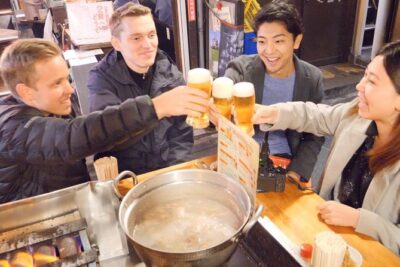
Tokyo Bar Hopping Tour in Shinjuku (All-You-Can-Drink + Dinner)
Read our review →
Guided Pub Tour to Ruin Bars with Games & 6 Shots
Read our review →

Bar and Club Crawl to 5 Central London Venues
Read our review →
Aruba Nightlife and Barhopping on Chogogo Party Bus
Read our review →
Browse the lists this tour appears in