
REVIEW · TOKYO, JAPAN
Asakusa: Culture exploring bar visits after history tour
Asakusa gets better after dark. This four-hour walk pairs Tokyo history with three local izakaya visits, so you see Sensoji and its neighbors before settling in for food, drinks, and conversation. I especially like the high viewpoint at the Asakusa Culture Tourist Information Center and the fact that three to four drinks and dishes are included. The small group, capped at eight people, should also make it easier to ask questions and keep the pace comfortable.
The main consideration is the fixed four-hour route and its focus on drinking. You will walk through several major sights, then spend about two hours at bars, so this is not the best choice if you want a quiet temple visit or a sightseeing tour without alcohol. The $156.07 price is not cheap, but it covers a full dinner, three to four drinks, and a local guide.
Key points to know before booking
- The tour begins with Asakusa’s best-known sights, including Sumida Park, Kaminarimon, Hozomon, Sensoji Temple, and Asakusa Shrine.
- You get a useful view from the Culture Tourist Information Center, including Tokyo Skytree and the Sumida River.
- Three izakaya stops are included, with roughly three to four drinks and three to four dishes in total.
- The group has a maximum of eight people, a good size for questions and conversation.
- The final stop focuses on sake, with an explanation of how Japanese sake developed and what ingredients matter.
- The tour starts at 3:00 pm and ends where it begins, at Burger King Asakusa Azumabashi.
Why this Asakusa tour works well
Asakusa is one of Tokyo’s easiest districts to appreciate on foot. The route moves from river views to temple gates, shopping lanes, traditional entertainment streets, and old-style bars without requiring you to work out the navigation yourself.
That matters in Asakusa because the main sights can feel simple on a map but confusing once you are among temple grounds, side streets, and crowds. A local guide gives the stops a clear order and adds context that a quick photo stop would miss.
I also like the way the experience divides its time. The first half explains the district’s history and religious landmarks. The second half changes tone completely, moving into casual neighborhood drinking culture. You get both the polished sightseeing version of Asakusa and the more relaxed evening side.
The group limit of eight is another strong point. You are not being moved through the district in a large line, and the guide should have a fair chance to explain details or answer individual questions. The only caution is that a smaller group does not guarantee a private tour. You will still be sharing the route with other people.
More History Walks in Tokyo:
- Asakusa: Culture exploring bar visits after history tour
★ 4.9 · 2 reviews - New Orleans Cocktail and Food History Tour
★ 5.0 · 819 reviews - New Orleans Cocktail History Walking Tour in the French Quarter
★ 5.0 · 604 reviews
Starting beside the Sumida River
The first stop is Sumida Park, where the Sumida River connects the modern city with the beginnings of Sensoji. The tour explains that the story of the temple began in this river around 1,400 years ago.
The stop lasts about 15 minutes and has no admission charge. It is a sensible opening because it gives you geographical context before the temples and shopping streets take over. You can see how close the river is to the old center of Asakusa and why the waterfront remains part of the district’s identity.
Do not expect a long park visit. This is a short orientation stop, not a leisurely riverside walk. If the weather is warm or sunny, the open setting should be pleasant, but the experience requires good weather and may be changed or canceled if conditions are poor.
Seeing Asakusa from above
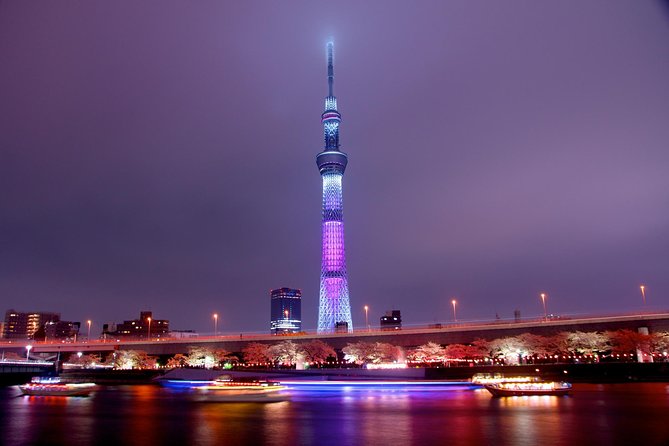
The Asakusa Culture Tourist Information Center adds a useful change of angle. From the building, you can view Tokyo Skytree, the Sumida River, and the streets you will soon walk.
The building itself was designed by a well-known Japanese architect, and the visit provides a preview of the route. I find this sort of stop valuable because it helps you understand Asakusa as a connected district rather than a collection of separate attractions.
Again, the visit is brief, around 15 minutes. You are not spending the afternoon at a rooftop viewpoint, but the higher perspective can make the later walking route easier to follow.
Passing through Kaminarimon and Nakamise
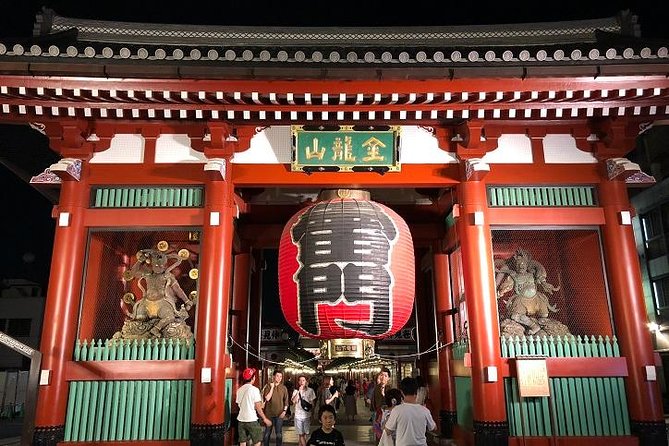
Kaminarimon, or Thunder Gate, is one of Asakusa’s unmistakable landmarks. Its huge red lantern marks the entrance toward Sensoji and the nearby religious buildings.
The gate is photogenic, but the guide’s explanation gives it more meaning than a quick picture can. It represents the transition into the temple and shrine area, and it helps explain why this part of Asakusa has such a strong sense of arrival.
From there, you walk along Nakamise Shopping Street toward Sensoji. The lane is lined with shops and has a friendly, welcoming feel rather than the solemn mood you might expect from a religious approach.
That contrast is part of the appeal. You can browse traditional snacks and souvenirs while moving toward one of Tokyo’s most important temples. The drawback is that Nakamise can be crowded, and the 15-minute stop is enough for a look and explanation, not for serious shopping.
If you see something you want to buy, you may need to return later on your own. The schedule keeps moving, and the tour’s main purpose is to connect the shopping street with the religious and cultural story of Asakusa.
More Bar Crawls in Tokyo:
- Tokyo Bar Hopping Tour in Shinjuku (All-You-Can-Drink + Dinner)
★ 5.0 · 3,587 reviews - Shibuya Meltdown Nightlife Tour: All-You-Can-Drink Bar Hopping
★ 5.0 · 1,058 reviews - Tokyo: Pub Crawl and Bar Tour
★ 4.5 · 951 reviews - Tokyo: Shinjuku Bar Hopping with All-You-Can-Drink & Dinner
★ 4.9 · 440 reviews
Sensoji, Hozomon, and Asakusa Shrine
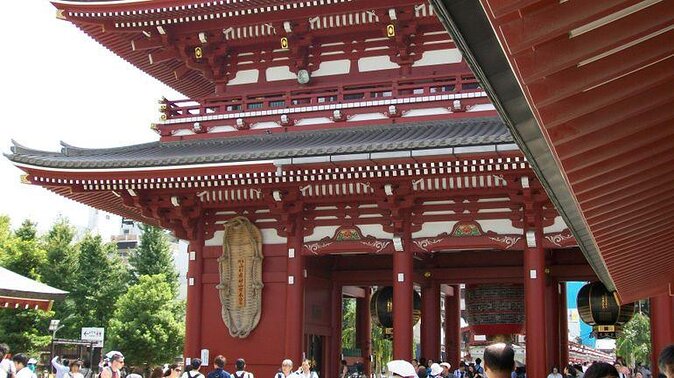
Hozomon is the inner gate leading toward Sensoji. It is a large, two-story structure, with religious treasures housed on its upper level. The tour gives you about 15 minutes here before continuing into the temple grounds.
Sensoji is the central sightseeing stop. It is Tokyo’s oldest temple and one of the places you will want to understand rather than simply photograph. The guide explains the site beginning around Kaminarimon, then places the buildings and rituals in their wider setting.
The supplied tour information does not promise a private religious ceremony or extended time inside every building, so you should think of this as a guided introduction. You will see the key structures and hear the story, but the schedule is divided among many stops.
Next comes Asakusa Shrine, a Shinto shrine sitting directly beside Sensoji. That side-by-side arrangement is especially interesting because Buddhism and Shinto are distinct traditions, yet they share the same historic setting here.
This is one of the tour’s most useful teaching moments. You get a direct example of how the two religions can exist next to each other in Japan, rather than receiving a broad explanation detached from a real place.
The Rokku area and Demboin-dori
After the grand temple grounds, the route turns toward Asakusa Demboin-dori and the Rokku area, the district’s traditional entertainment quarter.
The mood changes here. Instead of gates, incense, and temple courtyards, you see streets tied to Asakusa’s popular entertainment past and present. The route description presents this area as active but not overwhelmingly busy, which should make it a pleasant bridge between the sightseeing portion and the evening food stops.
This is also where the walking tour becomes less about famous landmarks and more about understanding how Asakusa developed as a place for ordinary leisure. I like that shift. A tour made up only of major attractions can leave you with a postcard view of Tokyo. This section gives you a little more sense of the district’s everyday character.
Three izakayas, three different introductions to Asakusa
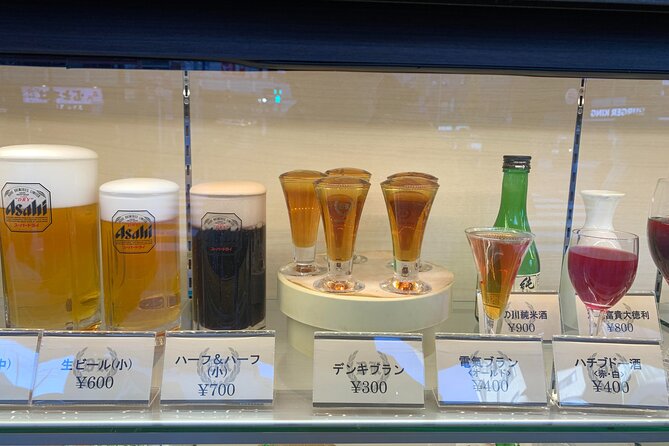
The food and drink section takes about two hours in total. The package includes dinner, with an average of three to four drinks and three to four dishes. That amount is described as enough for a full dinner meal, so you should not need to arrange a separate evening meal afterward.
Hoppy Street
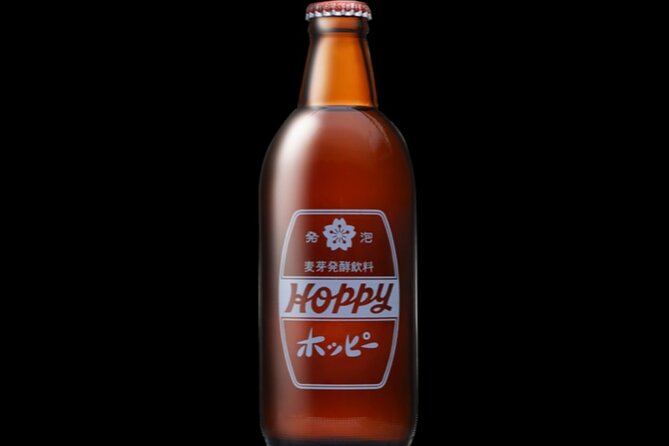
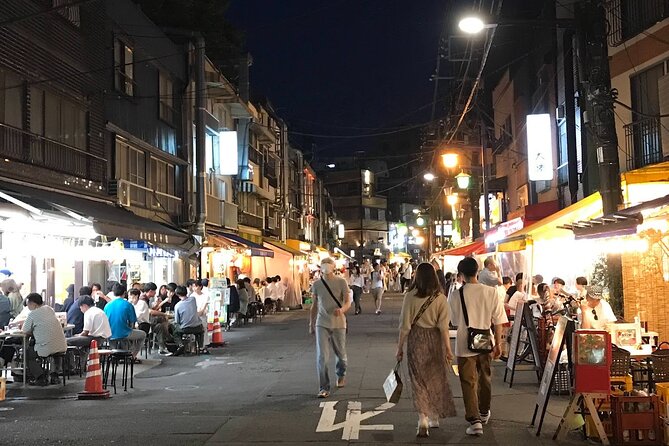
The first izakaya stop is Hoppy Street, an 80-meter lane lined with drinking spots, lanterns, and outdoor seating. The bars open day and night, with the atmosphere becoming livelier as the day moves into evening.
This is a good first stop because the setting itself tells you something about casual Japanese drinking culture. You are not simply being handed a dish in a generic restaurant. You are placed in a street known for izakayas and side-by-side outdoor tables.
The tour allows about 40 minutes here. That is long enough to eat, have a drink, and listen to an explanation, but not enough to linger for hours. The street-side setting may not suit you if you prefer quiet dining or a formal meal. For people who want a direct taste of Asakusa’s casual bar culture, it is a strong fit.
Kamiya Bar
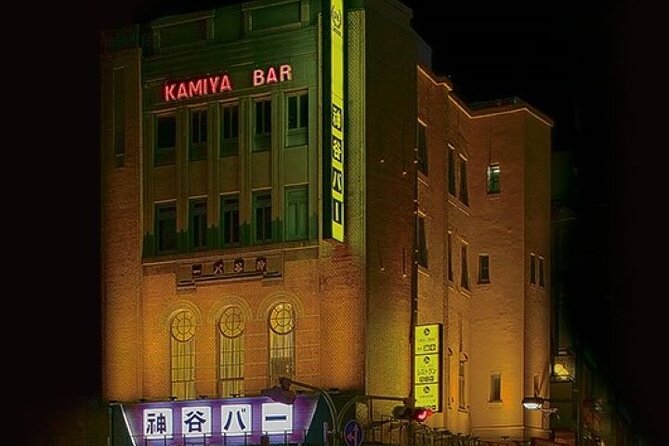
The second stop is Kamiya Bar, established in 1880 and described as Japan’s oldest Western-style bar. Despite its name, it is not simply a modern cocktail lounge. Its long history gives the stop a particular place in Asakusa’s story.
You get about 40 minutes here. The appeal is less about collecting another drink and more about seeing how foreign-style drinking became part of Tokyo’s older urban culture.
This is a useful counterpoint to Hoppy Street. The first stop is a lane of izakayas with outdoor seating, while Kamiya Bar represents an older, more established bar tradition. Together, they show two different ways to spend an evening in the same district.
The sake-focused final stop
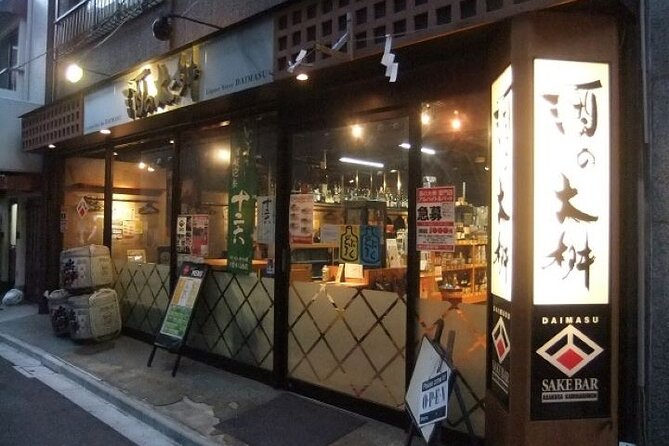
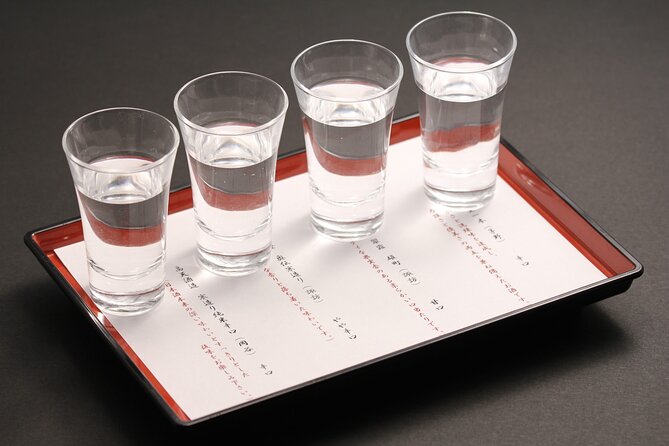
The last izakaya specializes in sake and carries an impressive range of varieties. The guide explains why sake developed in Japan and which ingredients play an important role.
This is probably the most educational of the three drinking stops. If you are unfamiliar with sake, the explanation should help you understand what you are tasting instead of treating every glass as interchangeable.
The tour does not specify the exact sake selection, dishes, or brands, so you should not book it expecting a particular bottle. What you can count on is a guided introduction and a final stop built around sake rather than a general bar menu.
What the $156.07 price really covers
At $156.07 per person, this is a fairly expensive four-hour activity if you think of it only as a walking tour. The sightseeing stops themselves have no admission charge, and much of Asakusa can be explored independently.
The value comes from the combination of guiding and food. You receive local explanations at eight sightseeing stops, then three drinks-and-food visits, with roughly three to four dishes and three to four drinks included. If that amount genuinely replaces dinner, the price becomes easier to justify.
The small group also matters. A private guide would cost far more, while a large group could make the bar visits awkward. With a maximum of eight people, this sits between a private experience and a standard mass-market tour.
I would book it for a first evening in Asakusa, especially if you want an introduction to Japanese drinking culture without choosing three bars yourself. I would skip it if you already know the district well, do not drink alcohol, or would rather spend four hours inside the temple area at your own pace.
Timing, meeting point, and practical details
The tour begins at 3:00 pm at Burger King Asakusa Azumabashi, located in Taito City near Kaminarimon. It finishes back at the same meeting point, and hotel pickup or drop-off is not included.
Plan your route to the starting point in advance. The activity is near public transportation, but the meeting instructions should be checked carefully before you leave your hotel, especially if you are unfamiliar with Tokyo’s station exits and neighborhood names.
The tour lasts approximately four hours. Because the route includes several 15-minute sightseeing stops, three 40-minute food and drink stops, and walking between them, comfortable shoes are a sensible choice.
Most people can participate, and service animals are allowed. Confirmation is normally provided when you book, though bookings made within five days of the date may receive confirmation within 48 hours, subject to availability.
Free cancellation is available up to 24 hours before the start time. If you cancel later, you will not receive a refund, and changes made inside that 24-hour window are not accepted. The tour also needs good weather and a minimum number of participants, so a cancellation by the operator can result in another date or a full refund.
Who should book this experience?
I would recommend it to first-time visitors who want a guided introduction to Asakusa with a social evening afterward. It works particularly well for couples, friends, and solo visitors who like meeting a small group over food and drinks.
It is also a good choice if you find Japanese bar culture intimidating. The guide takes you to three places and explains the setting, which removes much of the guesswork involved in choosing an izakaya on your own.
Families with children, non-drinkers, and people who dislike fixed schedules should consider the format carefully. The included food is a major part of the price, but the experience is still built around alcohol and evening bar visits.
The tour has an average booking lead time of 26 days, so it is sensible to reserve ahead if your Tokyo dates are fixed. Group discounts are available, which may improve the value for friends or couples booking together.
Should you book this Asakusa experience?
Book it if you want history, culture, and dinner in one compact evening. The strongest parts are the clear route through Sensoji and Asakusa Shrine, the view from the Culture Tourist Information Center, and the move from famous sights into Hoppy Street, Kamiya Bar, and a sake-focused izakaya.
At $156.07, it is not a bargain sightseeing walk. It makes better financial sense when you count the included drinks and dishes as dinner, along with the small group and local guidance.
I would choose this tour early in a Tokyo visit, when you still want help finding your way around Asakusa. If you prefer slow temple visits, independent restaurant choices, or an alcohol-free afternoon, spend your money elsewhere.
FAQ
How long does the Asakusa tour last?
The experience lasts approximately four hours.
What time does the tour begin?
The tour starts at 3:00 pm.
Where does the tour meet?
The meeting point is Burger King Asakusa Azumabashi in Taito City, near Kaminarimon.
Where does the tour end?
The activity ends back at the original meeting point.
How many people can join the tour?
The maximum group size is eight travelers.
Are food and drinks included?
Yes. Dinner is included, with an average of three to four drinks and three to four dishes.
Which major sights are visited?
The route includes Sumida Park, the Asakusa Culture Tourist Information Center, Kaminarimon, Nakamise Shopping Street, Hozomon, Sensoji Temple, Asakusa Shrine, and Asakusa Demboin-dori.
Does the tour include hotel pickup?
No. Hotel pickup and drop-off are not included.
Can most people participate?
Yes. Most travelers can participate, and service animals are allowed.
What happens if I cancel?
You can receive a full refund if you cancel at least 24 hours before the experience starts. Cancellations or changes made less than 24 hours before the start time are not accepted for a refund.
Just added around Tokyo
- ShinjukuUnfiltered Secret bar restaurant Tour,including GoldenGai★ 4.5 · 2 reviews
- Tokyo Izakaya crawl (A tour of 2 izakayas, 1 bar, and a shrine)★ 5.0 · 8 reviews
- Tokyo: Shinjuku Hidden Japanese Bar Tour (Neon Light City)★ 5.0 · 2 reviews
- Tokyo Shinjuku Bar Hopping –Wagyu , Ramen & 7 Dishes★ 5.0 · 13 reviews
- Shinjuku: Private Bar Hopping★ 5.0 · 34 reviews
- Private Tokyo Local Food and Drink Tour with a Bar Hopping Master★ 5.0 · 22 reviews
- Shinjuku Underground Nightlife Tour: Izakaya Food & Bar Hopping★ 5.0 · 11 reviews
- Tokyo VIP private nightlife tour with a local insider★ 5.0 · 24 reviews
Bar Crawls, compared.
Madrid Tapas & Wine Tasting Walking Tour – Small Group Local Bars
Read our review →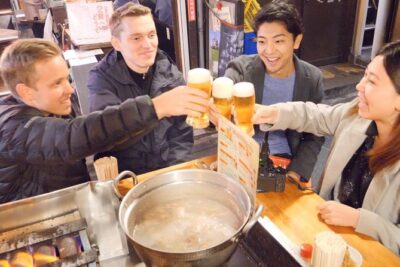
Tokyo Bar Hopping Tour in Shinjuku (All-You-Can-Drink + Dinner)
Read our review →
Guided Pub Tour to Ruin Bars with Games & 6 Shots
Read our review →
Bar and Club Crawl to 5 Central London Venues
Read our review →
Aruba Nightlife and Barhopping on Chogogo Party Bus
Read our review →
Browse the lists this tour appears in