
REVIEW · OSAKA, JAPAN
Osaka Local Bar Crawl in Dotombori & Uranamba Area
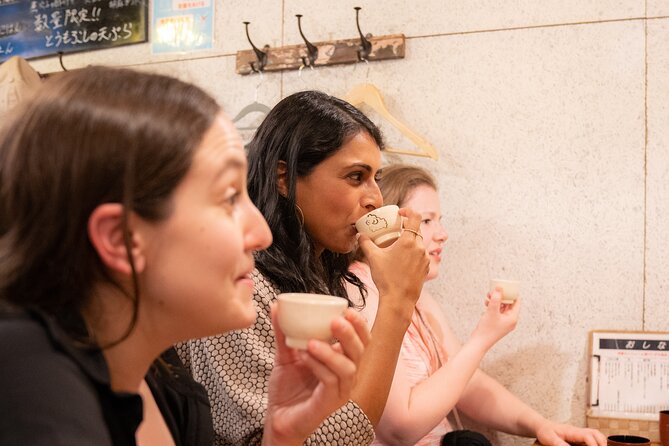
Osaka comes alive after dark. This three-hour crawl takes you past the famous Glico sign, through Hozenji Temple, and into small izakaya where yakitori, karaage, gyoza, sashimi, sake, and other drinks help you see Osaka from a more local angle. I like the mix of food, culture, and neighborhood walking, and I like that a guide helps you enter places you might not find easily on your own.
I also like the social side. Guides such as Yui, Hitomi, Kosuke, Taiga, Lala, Naoko, Yuta, Soma, and Mikey have been praised for being friendly, entertaining, and generous with local tips. The main caution is cost: the advertised price is $26.53 per person, but food and drinks are not included, so your final bill can be much higher.
Key points before you book
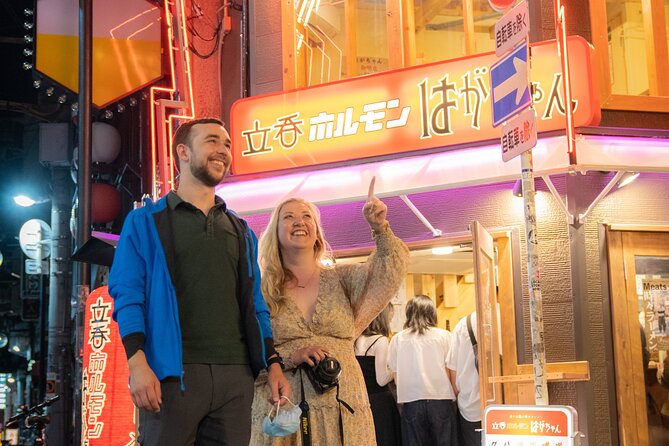
- Three hours around Osaka’s best-known nightlife districts: You begin by the Glico sign and finish back at the Dotonbori meeting point.
- A local look at Hozenji Temple: This small temple offers a quieter break from the bright signs and crowds of central Dotonbori.
- Two food-and-drink areas: Uranamba brings small local izakaya, while Namba adds dishes such as gyoza and sashimi.
- Food is ordered separately: The booking price covers the guide, but not dinner, alcohol, or other drinks.
- A small group of up to 15 people: That is large enough for a social evening, but still manageable in narrow lanes and compact bars.
- The strongest feature is the guide: The experience depends heavily on who leads your group and which venues are selected that night.
Starting beneath the Glico sign
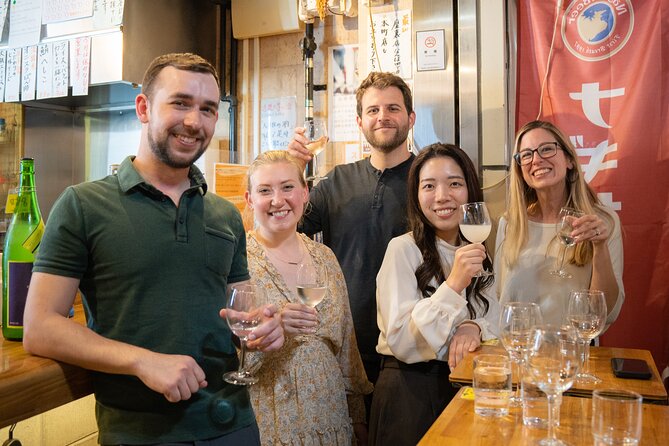
Meet at the Dotonbori Humanity Song Monument, at 1 Chome-10 Dotonbori. The exact starting point matters here because Dotonbori is packed with signs, bridges, restaurants, and people, so finding the guide in advance is easier than trying to meet somewhere vague near the canal.
The opening stop is the famous Glico running man sign. Your guide explains its history and why it became such a lasting symbol of Osaka. This is not a long museum-style talk. It is a quick orientation to the district, useful if Osaka is your first stop in Japan or if you are still trying to make sense of the city’s loud, bright center.
I see this as a good opening rather than the main event. The sign is highly touristy, but it gives your guide a chance to set the scene before taking you toward quieter corners. You will also have a natural place for a first photo and a clear landmark for finding your way around later.
More Bar Crawls in Osaka:
- Osaka: Namba Pub Bar Crawl with a Local Guide
★ 4.9 · 424 reviews - Osaka: Izakaya Bars Guided Walking Tour
★ 4.9 · 385 reviews - Osaka Pub Crawl and Nightlife Tour
★ 5.0 · 293 reviews
Hozenji Temple and a quieter side of Dotonbori
From the sign, the group visits Hozenji Temple. This small temple sits close to Dotonbori, yet the mood changes quickly. The noisy restaurant streets give way to a more restrained space, with traditional religious details and a slower pace.
The guide explains basic temple customs, why people visit, and what makes Hozenji important to local life. One appealing detail is the contrast: you are still in one of Osaka’s most famous entertainment areas, but the temple feels closer in mood to a small Kyoto stop.
Do not expect a long temple visit. The focus is on context, not a full historical tour. That is fine for a bar crawl, since the temple works best as a short cultural pause between neon streets and izakaya tables.
Uranamba: yakitori, karaage, and sake
The first drinking stop is in Ura Namba, an area known for local nightlife. The name means the area behind or beyond the main Namba streets, and that distinction is useful. This is where the tour tries to move you away from the most obvious restaurant rows and toward places with a more local feel.
The scheduled stop lasts about 40 minutes. The food examples include yakitori, karaage, and sake. Yakitori gives you grilled chicken served in small portions, while karaage brings the familiar Japanese style of crisp fried chicken. These are classic izakaya foods because they are easy to share and work well with beer, sake, or other drinks.
You may find this part particularly useful if you are unsure how an izakaya works. Your guide can help explain ordering, pairings, and the rhythm of eating several small dishes instead of sitting down for one large meal. The point is not simply to fill up. It is to show how Osaka residents often combine conversation, small plates, and drinks.
The food quantity can vary. Some people have found the crawl surprisingly generous, with more dishes than expected and even a chance to make takoyaki at the table. Others have found the portions and drink choices modest for the money. I would arrive hungry, but I would not book this as a guaranteed full dinner.
Namba: gyoza, sashimi, and more time at the table
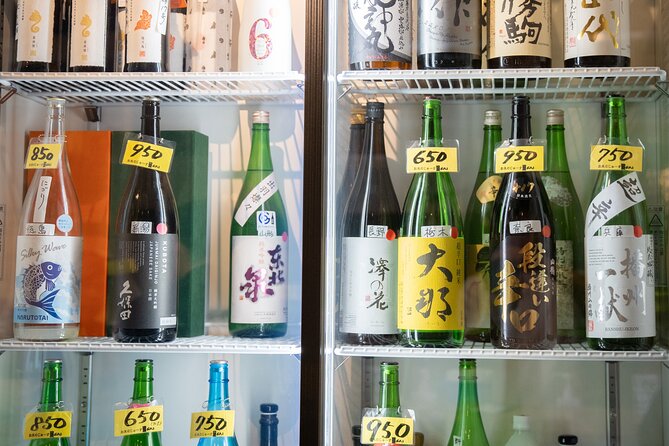
The second main stop is in Namba and lasts about 1 hour and 20 minutes. This longer stay gives the group more time to settle in, order food, and talk with the guide and other members of the group.
The dishes named for this stop include gyoza and sashimi, along with drinks. Gyoza offers a familiar cooked option, while sashimi gives you a chance to try fresh fish in a traditional Japanese setting. The mix is helpful because it shows two different sides of izakaya dining: hot, casual comfort food and simple seafood served with care.
The group setting is part of the appeal. Several strong experiences came from guides who made the evening feel like a night out with a local friend rather than a formal sightseeing program. Lala, for example, was praised for making takoyaki at the table and offering Osaka tips. Soma and Mikey were noted for keeping the conversation easy and social, while Yui was praised for her English and practical suggestions.
The guide assignment is not fixed, so you cannot assume you will have one particular person. Still, the repeated praise for the local hosts tells you where the experience gets much of its value. The food alone may not justify the cost. The guide’s help, conversation, and choice of places are what can turn ordinary dishes into a good evening.
Same place, a different kind of night:
- Osaka: 2-Hour Nightlife District Walking & Local Food Culture
★ 5.0 · 199 reviews - Osaka: Bar-Hopping Night Tour in Namba
★ 4.7 · 117 reviews - Osaka Umeda: PICCADILLY DINNER SHOW & NIGHTCLUB with Tasting
★ 4.8 · 49 reviews - 3.5h Osaka Night guided Local Bar Hopping, Sake & Karaoke
★ 5.0 · 27 reviews
The possible Misono Building finale
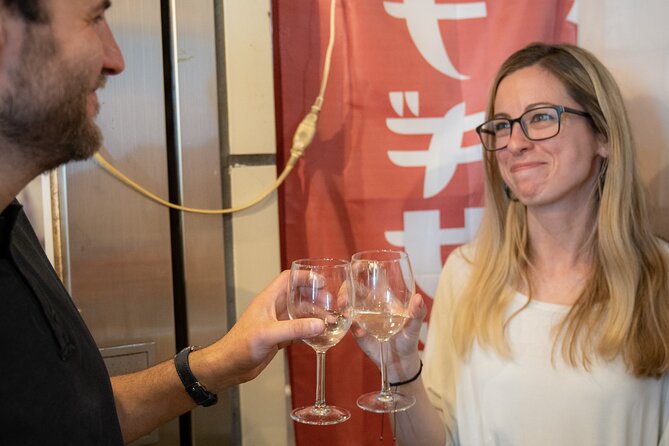
Some versions of the evening include a stop at the Misono Building or a similar cluster of small bars. This has been a highlight for several people because the building contains many compact bar spaces gathered under one roof. It offers a look at a stranger, more intimate side of Osaka nightlife.
The atmosphere can feel unusual. One account described the small rooms as having a brothel-like feel, with individual bars and bartenders packed into a curious old-style setting. That may sound odd, but it is also what makes the area memorable. You are seeing a kind of nightlife that is easy to miss if you only visit large pubs and restaurants near the canal.
This stop is also where you need to watch the bill. Some drinks have reportedly cost around ¥3,000, and one account described watered-down whiskey and small pours. Prices and venues may change, but the lesson is steady: ask the price before ordering, especially at a small specialty bar.
Not every group will have the same final venue. The published route names Dotonbori, Uranamba, and Namba, while individual accounts describe different bar combinations. Think of the crawl as a guided route through the district, not a fixed promise of one exact lineup.
What the $26.53 price really covers
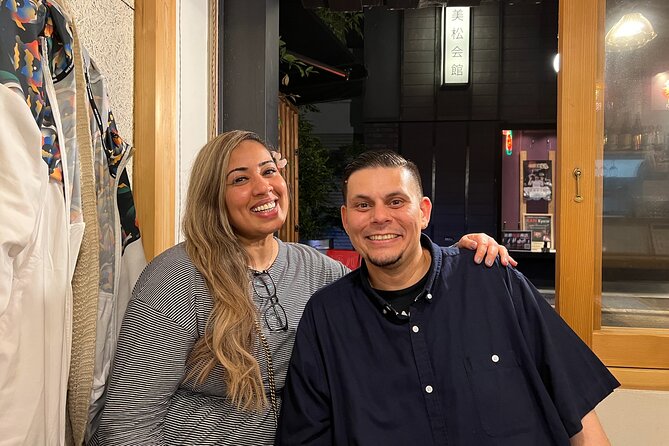
The advertised price is $26.53 per person. That covers three hours with a local guide, but admission fees, dinner, and alcoholic drinks are not included. Since the activity takes place in bars and izakaya, your spending at the venues is a major part of the total.
This matters because the low booking price can make the experience look like a cheap night out. It is better to view it as a guide fee. You then pay for what you order at each stop.
The extra cost can be reasonable if you receive several dishes, a few drinks, and useful local guidance. One positive account described three or four venues, plenty of food and drinks, and enough value to return to several locations later. Another person enjoyed sake, whiskey, cocktails, takoyaki, and a broad range of foods.
But the value is not guaranteed. A less favorable account reported about 7,000 yen in additional charges for three stops, with small portions and only a few drinks. Another person found some drinks at the last bar surprisingly expensive. These are serious concerns, especially in Osaka, where you can often eat and drink well without paying tour-level prices.
You should set a spending limit before the first stop. Ask whether prices are per person, per dish, or per drink. If the guide orders shared food for the table, confirm how the cost will be divided. Clear questions early can prevent an unpleasant surprise at the end.
Why the guide matters more than the menu
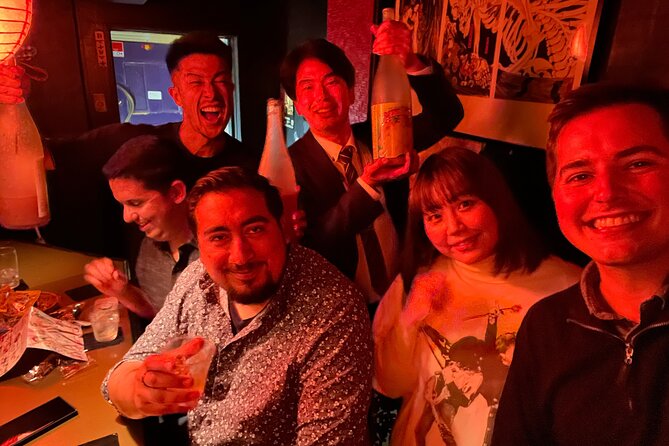
The strongest part of this experience is the human connection. Guides have been praised for strong English, a friendly manner, local knowledge, and extra recommendations after the crawl. Hitomi was praised for making even a one-person booking feel personal, while Taiga was noted for keeping the group engaged and helping with plans after the tour.
That matters because the route itself is not difficult to copy. You can walk around Dotonbori and Namba on your own. What you cannot easily reproduce is the guide’s explanation of temple customs, help with menus, introductions to small bars, and ability to make a mixed group relax together.
The group size can reach 15 people. That is still small enough for a guide to manage, but it may feel less personal than a private outing. If you are alone, the social setup can be a real advantage. Several people made friends during the night and continued drinking after the official end.
Guide quality and venue choice can vary. The positive accounts are very strong, but the poor account shows that a good guide cannot always fix high prices or disappointing food. Go in expecting a guided social night, not a carefully controlled tasting menu.
Who will enjoy this crawl most
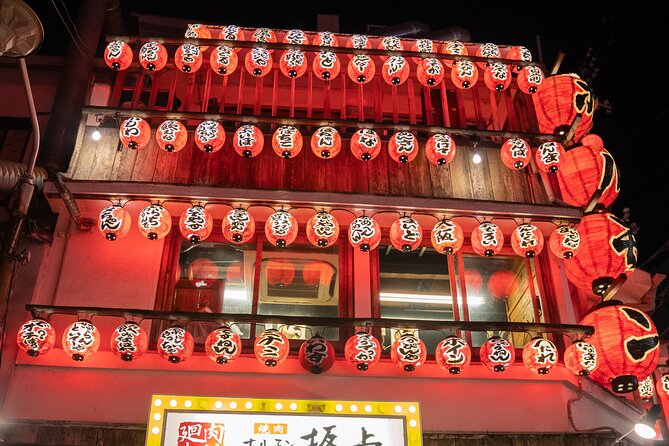
I would recommend it most to first-time visitors who want help entering Osaka’s nightlife. The opening landmarks give you bearings, the temple adds a cultural note, and the izakaya stops show you how a casual Japanese evening works.
It also suits solo visitors and couples who want a social night. The group format makes conversation easy, and the local guides can help bridge language and menu gaps. If you are jet-lagged or overwhelmed on your first night, the planned route may be comforting.
Food-focused visitors should keep their expectations measured. You may receive a generous range of dishes, and takoyaki can be part of the experience, but the exact menu changes. The booking price does not include dinner, so you should not treat every dish as part of the upfront fee.
I would be more cautious if you care mainly about premium whiskey, carefully selected sake, or exact value per drink. You may prefer choosing your own bars, checking menus, and paying directly. The same warning applies if you dislike group activities or want a quiet meal.
Practical details for a smooth evening
The activity lasts about three hours and ends back at the starting meeting point. The meeting location is near public transportation, and most people can take part. Service animals are allowed, and the maximum group size is 15.
You receive confirmation when you book, and the ticket is mobile, so keep it easy to open on your phone. Wear comfortable shoes because the route includes walking between Dotonbori, Hozenji, Uranamba, and Namba.
Alcohol is not included, and dinner is not included. You should eat lightly beforehand if you need a steady base, then arrive ready to sample several small dishes. If you do not drink alcohol, confirm the available alternatives with the guide, since the experience is built around bars and drink pairings.
Free cancellation is available if you cancel at least 24 hours before the start time. Cancellations within 24 hours are not refunded, and changes during that period are not accepted. The activity also requires a minimum number of participants, so a cancellation by the operator can lead to another date, another experience, or a full refund.
Should you book the Osaka Local Bar Crawl?
Book it if you want a guided introduction to Osaka nightlife, especially on your first evening. The best version gives you a friendly local host, several hard-to-find izakaya, traditional small plates, temple context, and a social night that would be difficult to arrange smoothly by yourself.
Book with caution if your main goal is low-cost drinking. The $26.53 booking price does not cover food or alcohol, and extra venue charges can push the night well above that figure. Ask about prices before ordering and keep your expectations flexible about the exact bars.
For me, the tour makes the most sense as a way to get your bearings and learn how Osaka’s nighttime food culture works. It is less convincing as a bargain dinner or a premium drinks tasting. If you value the guide and the chance to meet people, it can be an excellent first-night choice. If you want total control over your menu and bill, explore Dotonbori and Uranamba on your own.
FAQ
How long does the Osaka Local Bar Crawl last?
The experience lasts approximately three hours.
Where does the tour start?
It starts at the Dotonbori Humanity Song Monument, 1 Chome-10 Dotonbori, Chuo Ward, Osaka, 542-0071, Japan.
Where does the tour finish?
The activity ends back at the meeting point.
Are food and drinks included in the booking price?
No. Alcoholic beverages and dinner are not included. You pay separately for food and drinks at the venues.
Which Osaka neighborhoods does the crawl visit?
The route covers Dotonbori, Hozenji Temple, Uranamba, and Namba.
What foods might be served?
Possible foods include yakitori, karaage, gyoza, sashimi, and takoyaki. The exact food selection can vary.
How many people can join the group?
The activity allows a maximum of 15 participants.
Can I cancel for a full refund?
Yes, if you cancel at least 24 hours before the experience start time. Cancellations made less than 24 hours before the start time are not refunded.
Just added around Osaka
- Osaka: Private Food Tour & Bar Hopping in Namba★ 4.5 · 4 reviews
- Osaka Nights: Ultimate Pub Bar Crawl with an Expert Local Guide★ 5.0 · 14 reviews
- Osaka American village Bar hopping tour★ 5.0 · 14 reviews
- Osaka Umeda:PICCADILLY LIVE SHOW & NIGHTCLUB TICKET & Shisha★ 4.7 · 10 reviews
- Osaka: Deep Food Tour and Bar Hopping in Namba★ 5.0 · 2 reviews
- 3.5h Osaka Night guided Local Bar Hopping, Sake & Karaoke★ 5.0 · 27 reviews
- Osaka: Unforgettable Bar Hopping in Kyobashi!★ 5.0 · 4 reviews
- Osaka Bar Hopping | Explore Hidden Bars & Izakayas in Namba★ 4.7 · 18 reviews
Bar Crawls, compared.
Madrid Tapas & Wine Tasting Walking Tour – Small Group Local Bars
Read our review →
Tokyo Bar Hopping Tour in Shinjuku (All-You-Can-Drink + Dinner)
Read our review →
Guided Pub Tour to Ruin Bars with Games & 6 Shots
Read our review →
Bar and Club Crawl to 5 Central London Venues
Read our review →
Aruba Nightlife and Barhopping on Chogogo Party Bus
Read our review →
Browse the lists this tour appears in