
REVIEW · HONSHU, JAPAN
Osaka: Deep Food Tour and Bar Hopping in Namba
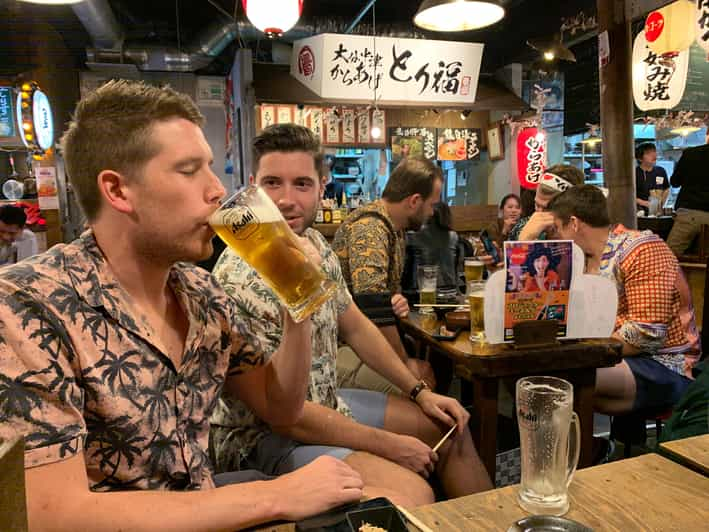
Osaka eats first, asks questions later. This Namba food tour takes you beyond the main Dotonbori signs into small bars, local restaurants, and streets where the city’s famous eat-until-you-drop spirit feels most natural. I like the focus on dishes beyond takoyaki and okonomiyaki, and I like that the guide can adjust the experience to your food preferences. The main catch is the extra food and drink cost, since the basic booking covers the guide but not what you order.
You spend two to three hours moving through Osaka’s busiest shopping district, with time for a photo at the Glico sign, a visit to Hozenji Temple, and several food stops. The private option can be tailored to your group, including a family with a 10-year-old child, while vegetarian choices are also possible. Still, the exact restaurants may change, and the tour works best if you arrive ready to pay for several separate orders.
Key points to know before booking
- Osaka food beyond the usual favorites: Try local dishes such as doteyaki and chiritori hotpot, not only okonomiyaki and takoyaki.
- Three food and drink stops: The route includes a local bar, a local restaurant, and another local bar, with about 40 minutes at each.
- Hozenji Temple in central Namba: This short stop adds a quiet cultural pause among the commercial streets.
- Food is paid separately: The $48 price covers the English-speaking guide, while meals and drinks cost extra unless you choose an expense-included option.
- Private and small-group choices: A guide can shape the stops around your preferences, including vegetarian needs and family requirements.
- Convenient Dotonbori finish: The tour ends at the Glico sign, one of Osaka’s easiest landmarks for continuing your evening.
Why Namba is the right place for an Osaka food tour
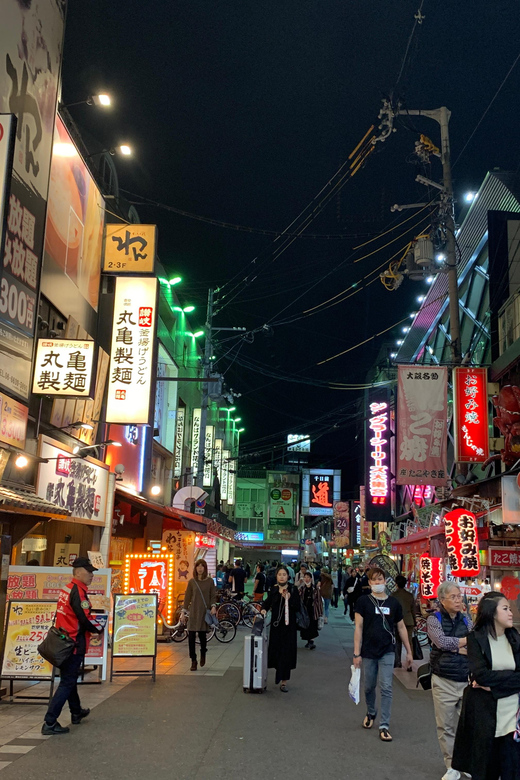
Namba is a practical base for eating your way through Osaka. It combines the famous Dotonbori canal area and its glowing signs with shopping arcades, narrow side streets, temples, bars, and small restaurants. You do not need to spend the whole evening crossing the city to find different sides of Osaka here.
The area also explains Osaka’s nickname as the Kitchen of the Nation. Food is not treated only as a formal meal. It is part of the rhythm of the street, the bar, the shopping district, and the late evening. A guide helps you make sense of that rhythm, especially when menus are unfamiliar or restaurant choices are not obvious.
The route is designed to move past the most familiar dishes. Takoyaki and okonomiyaki are important Osaka foods, but they are only the beginning. You might also be introduced to doteyaki, a simmered local specialty, or chiritori hotpot, whose name refers to a dustpan and whose presentation is part of its appeal.
I like this approach because it gives you a better sense of local eating habits than a simple checklist of famous foods. The tradeoff is that the tour is not a fixed tasting menu. Your final dishes depend on restaurant availability, closing days, your preferences, and the choices made during the evening.
More Food and Drink Crawls in Japan
- Osaka: Private Food Tour & Bar Hopping in Namba
★ 4.5 · 4 reviews - Hiroshima Izakaya Food and Drink Night Tour
★ 5.0 · 297 reviews - Sapporo Bar Hopping Food Tour
★ 5.0 · 232 reviews
Starting at Osaka Shochikuza and finding your bearings
The meeting point may be one of two locations at Osaka Shochikuza, written in Japanese as 大阪松竹座 or 大阪松竹座ビル. Check the exact location attached to your booking, since the meeting point varies by option.
Beginning near Osaka Shochikuza puts you close to the main Namba and Dotonbori area. This is useful if you are staying nearby or want to continue shopping or eating afterward. The tour does not require a long transfer to reach the food district, so most of your two to three hours can be spent walking, looking, and ordering.
You should wear comfortable shoes and arrive hungry, but not starved. The tour includes several food stops, and eating a full meal before you arrive would defeat the point. At the same time, the number of dishes you order is not fixed, so you have some control over how much you eat and spend.
The Glico sign photo stop
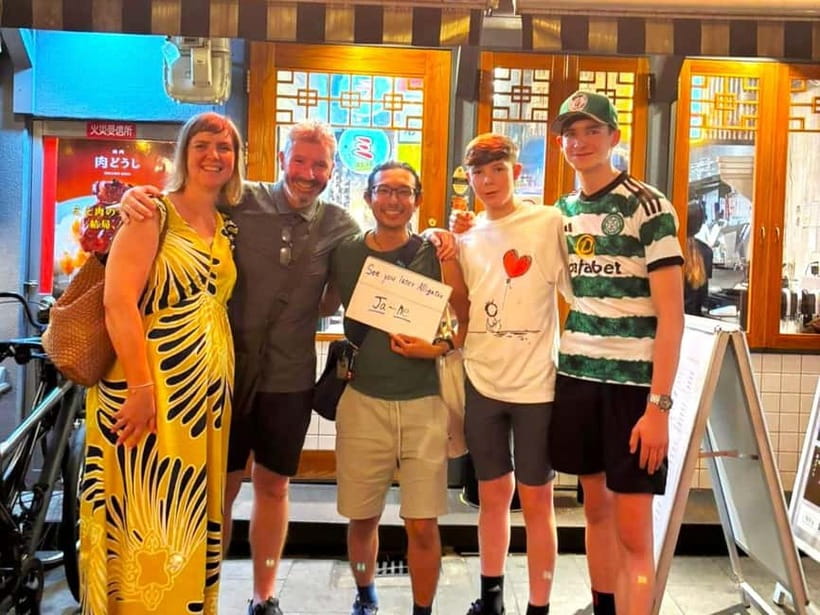
One early stop is a 10-minute photo break at a viewpoint associated with Osaka’s famous symbol. The final drop-off is also at the Glico sign, written in Japanese as 道頓堀グリコサイン. This gives you two useful moments around one of the city’s best-known meeting points, although the exact sequence may vary.
The Glico running man is more than a photo backdrop for many first-time visitors. It is a quick way to mark your time in Dotonbori, and the tour builds that familiar image into the evening without making the whole experience about sightseeing alone.
Ten minutes is enough for a few photographs, not a long stay. I would treat this as an orientation stop and a chance to get your bearings before the eating begins. If you want a quiet, detailed look at the canal area, plan to return later on your own.
A local bar and the first taste of regional food
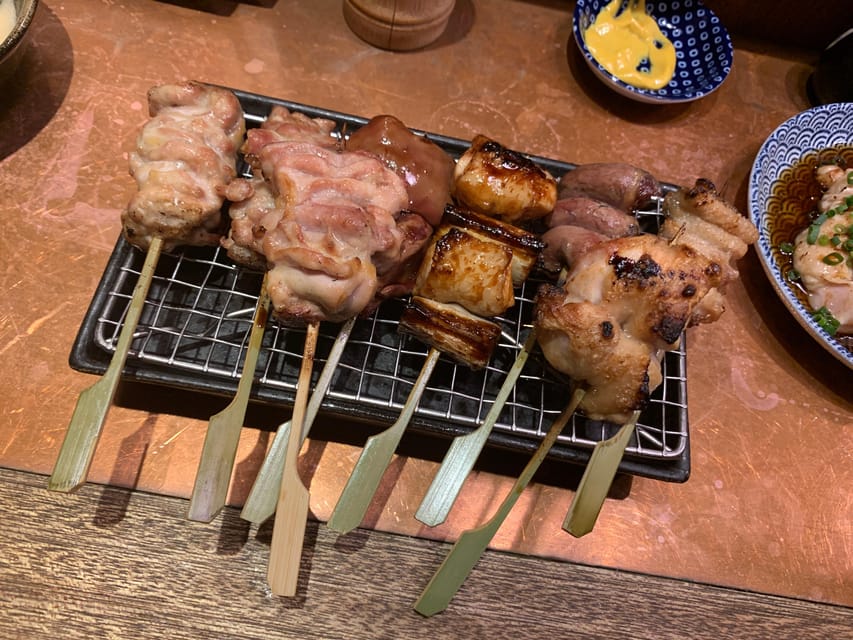
The first food stop lasts about 40 minutes and takes place at a local bar. This is where the tour begins to move away from the main photo opportunities and into Osaka’s everyday food culture.
A bar stop can be a good way to sample a dish without committing to a long restaurant meal. Your guide can help explain what you are ordering and may steer you toward something less familiar. The menu is not fixed, so you should expect the choice to reflect availability and your group’s preferences.
This is also where the separate food and drink charges matter. The $48 booking does not include what you consume. If you choose several dishes and drinks at each stop, the final cost will be higher than the advertised tour price. Ask your guide about prices as you go if you are working with a firm budget.
Vegetarian diners should mention their needs early. One recent booking included plenty of vegetarian choices, which suggests the route can work well for people who do not eat meat, especially when preferences are explained before ordering.
More Food and Drink Crawls in Osaka:
- Madrid Tapas & Wine Tasting Walking Tour – Small Group Local Bars
★ 5.0 · 3,644 reviews - French Quarter Small-Group Cocktail and Foodie Crawl
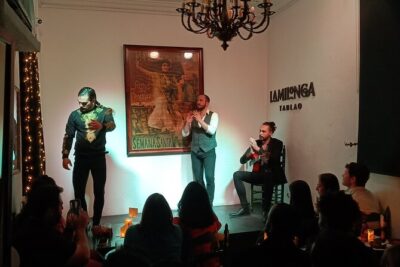
★ 5.0 · 519 reviews - Flamenco Show in Seville at Bar and Tapas
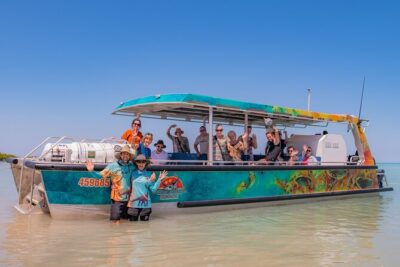
★ 4.5 · 276 reviews - DINOSAUR ADVENTURE CRUISE – With Beachside Tapas and Cocktails
★ 5.0 · 179 reviews
Hozenji Temple, a quiet pause in the shopping district
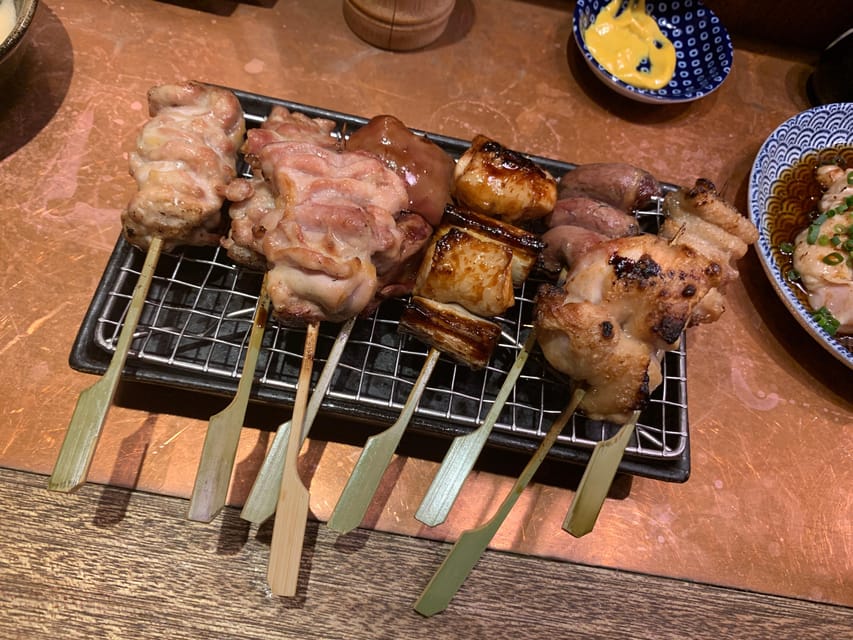
After the first food stop, the route includes a sightseeing visit to Hozenji Temple. The schedule allows about 20 minutes for the sightseeing stop and about 10 minutes for the walk connected with Hozenji.
Hozenji is a useful contrast to the bright commercial streets around it. You remain in central Namba, but the mood changes quickly. Instead of signs, storefronts, and restaurant menus, you get a short cultural pause that helps show how old religious spaces can sit within a modern entertainment district.
Do not expect a long temple tour. The stop is brief, and the main purpose is to add context and variety to the evening. I like this part because it prevents the experience from becoming a chain of meals with no sense of place. If you want extended temple sightseeing, you would need to return separately.
The walking distance and timing also make this a helpful reset between food stops. You can stretch your legs, take photographs, and let the first round settle before the next restaurant.
The local restaurant and Osaka dishes beyond takoyaki
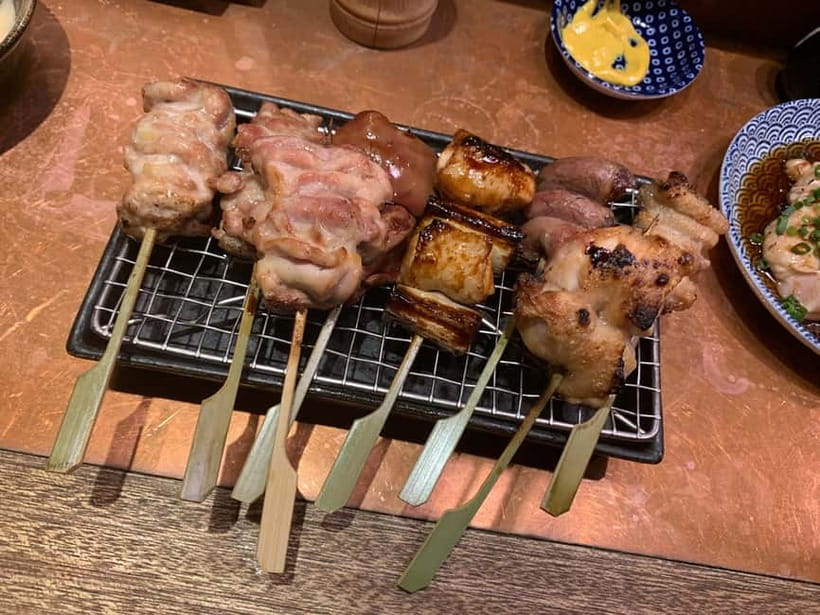
The second food stop takes place at a local restaurant and lasts about 40 minutes. This is likely to feel more like a conventional meal than the bar stop, although the exact restaurant can change.
The key value here is range. Osaka is strongly associated with flour-based konamono foods, including okonomiyaki and takoyaki. Those dishes deserve their fame, but a good introduction should also show you other local flavors. Doteyaki and chiritori hotpot are specifically mentioned as examples of the less familiar dishes you might try.
Doteyaki gives you a chance to taste a traditional simmered dish rather than another fried or batter-based snack. Chiritori hotpot offers a different format, with the shared hotpot style making it especially suitable for a private group or small party with similar preferences.
You should not assume every named dish will be served on every departure. Restaurant choices may shift because of seat availability, closing days, or what your group wants to eat. Think of the examples as a guide to the kind of food the tour seeks out, not a guaranteed menu.
For families, this stop may be the easiest place to balance adventurous eating with familiar choices. A private tour was adjusted for a 10-year-old child, showing the benefit of selecting a private format if your group includes children or people with strong food preferences.
The second local bar and the final round
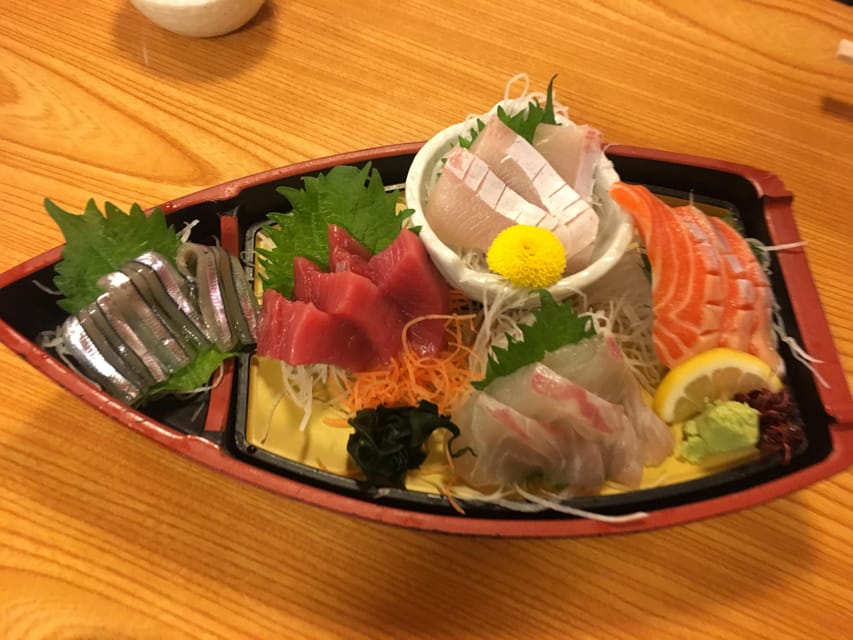
The last food stop is another local bar, again scheduled for about 40 minutes. By this point, you will have visited several types of places and sampled food in a way that feels more like an evening out than a formal cooking class.
This final stop can be useful for trying one more regional dish or ordering a drink to finish the route. It also gives you a chance to ask your guide about anything you saw earlier but did not try. Since the menu and restaurant can change, flexibility is part of the experience.
Three 40-minute food stops add up to a substantial amount of eating time. Add the photo stop, temple visit, and walking, and the two to three hour duration makes sense. Still, the pace may feel full if you order heavily at every stop. You can keep portions manageable by sharing when possible and treating the route as a series of tastings rather than three separate dinners.
The tour ends at the Glico sign. That is convenient for finding your way onward, meeting friends, or continuing your own night in Dotonbori. It also means you finish in the center of the action rather than at a distant neighborhood location.
What the $48 price really covers
At $48 per person, the basic price is reasonable for a guided introduction to Namba, but you should not mistake it for an all-inclusive food tour. The listed price includes an English-speaking guide. Food and drinks are extra.
That pricing model has both benefits and drawbacks. You can control your spending and order only what interests you. You are not forced to pay for dishes you cannot eat or drinks you do not want. On the other hand, the final bill is less predictable, especially when visiting several places.
If you want simpler budgeting, select the private tour or expense-included group option when booking. The basic activity does not include meals and drinks, so check the option details carefully before paying.
The guide is the main reason to choose this experience over simply wandering Dotonbori on your own. A map can show you the famous signs, but it will not tell you which local dishes fit your preferences or help you choose among unfamiliar menu items. The value is strongest for a first evening in Osaka, when a little guidance can prevent a lot of guesswork.
Private groups, children, and dietary preferences
Private and small-group formats are available. That matters because food tours work best when the guide can respond to the people actually eating. A private group can move at its own pace and discuss preferences more openly.
The tour has been adapted for a group with a 10-year-old child, so families may find the format workable. However, the activity is still built around bars and regional food stops. Parents should decide if that setting and the two to three hour schedule suit their child.
Vegetarian diners should feel encouraged to ask for adjustments. Plenty of vegetarian options were available on one tour, but you should still state your needs when booking or at the start. The information provided does not promise a particular vegan, allergy-safe, or religious dietary menu, so do not leave serious restrictions unmentioned.
The two available guide languages are English and Japanese. An English-speaking guide is included in the standard description, while Japanese is also listed as an available tour language.
What could disappoint you
The biggest limitation is the lack of a guaranteed restaurant list. If you have your heart set on one famous shop or one exact dish, this is not the best format. The restaurants may change because of seat availability, closing days, and guest preferences.
The second issue is cost control. Since food and drinks are separate, the tour can become more expensive than the headline price if you order freely at three stops. A private or expense-included option may be easier for you if you prefer certainty.
Finally, the experience is concentrated in Namba. That is a strength if you want Dotonbori, local bars, and Hozenji Temple in one evening. It is less suitable if you want a broad tour of Osaka or a lesson in the city’s full regional cuisine.
Who should book this Namba food experience
I would recommend this tour if you want a guided first look at Osaka’s food culture and prefer trying several smaller stops instead of sitting through one long meal. It is especially useful if you are curious about dishes beyond takoyaki and okonomiyaki, or if Japanese menus make independent ordering stressful.
It also suits small groups, private parties, families who want some flexibility, and vegetarian diners who communicate their needs early. The English and Japanese language options make the arrangement more practical for mixed groups.
I would hesitate if you want an all-inclusive price, a fixed menu, or a quiet cultural tour. The bars, food stops, and central shopping district are the core of the experience. You should enjoy walking, sharing dishes, and making decisions as the evening unfolds.
Should you book it?
Book this tour if you want Osaka served in small portions across several local stops, with a guide to help you move beyond the standard foods. The Hozenji Temple visit, flexible food choices, and final stop at the Glico sign give the evening a useful mix of eating, culture, and orientation.
Before booking, check the exact meeting point and choose the expense-included option if you want clearer costs. Otherwise, bring extra money for food and drinks, tell the guide about dietary needs, and arrive ready for an adaptable night in Namba.
FAQ
Where does the tour start?
The meeting point may be at one of two Osaka Shochikuza locations, shown in Japanese as 大阪松竹座 or 大阪松竹座ビル. The exact meeting point depends on the option booked.
Where does the tour end?
The tour has two listed drop-off locations, both connected with the Dotonbori Glico sign: グリコサイン and 道頓堀グリコサイン.
How long does the activity last?
The tour lasts between two and three hours. Starting times vary, so check availability for the date you want.
Is food included in the $48 price?
No. The standard price includes the English-speaking guide, but food and drinks are not included. You can select an expense-included option when booking if you prefer that arrangement.
How many food stops are included?
The route includes three food and drink stops: a local bar, a local restaurant, and another local bar. Each food stop is scheduled for about 40 minutes.
Will I try okonomiyaki and takoyaki?
They are described as staple Osaka foods, but they are not guaranteed on every tour. The guide may introduce you to other regional dishes such as doteyaki or chiritori hotpot.
Can vegetarian diners join?
Yes. Vegetarian options can be arranged, and the route has provided plenty of vegetarian choices. Tell the guide about your preferences so the stops can be adjusted.
Is the tour available as a private experience?
Yes. Private and small-group options are available. A private tour can be adjusted to suit the group, including family preferences.
Which languages are available?
The tour lists English and Japanese as available languages. The standard description includes an English-speaking guide.
Can I cancel the booking?
You can cancel up to 24 hours in advance for a full refund. The reserve now and pay later option lets you hold a place without paying immediately.
Just added around Osaka
- Osaka: Private Food Tour & Bar Hopping in Namba★ 4.5 · 4 reviews
- Osaka Nights: Ultimate Pub Bar Crawl with an Expert Local Guide★ 5.0 · 14 reviews
- Osaka American village Bar hopping tour★ 5.0 · 14 reviews
- Osaka Umeda:PICCADILLY LIVE SHOW & NIGHTCLUB TICKET & Shisha★ 4.7 · 10 reviews
- 3.5h Osaka Night guided Local Bar Hopping, Sake & Karaoke★ 5.0 · 27 reviews
- Osaka: Unforgettable Bar Hopping in Kyobashi!★ 5.0 · 4 reviews
- Osaka Dotonbori:GIRAFFE Nightclub Ticket with Drink/VIP Plan★ 4.4 · 14 reviews
- Osaka Bar Hopping | Explore Hidden Bars & Izakayas in Namba★ 4.7 · 18 reviews
Food and Drink Crawls, compared.
Madrid Tapas & Wine Tasting Walking Tour – Small Group Local Bars
Read our review →
French Quarter Small-Group Cocktail and Foodie Crawl
Read our review →
DINOSAUR ADVENTURE CRUISE – With Beachside Tapas and Cocktails
Read our review →
Jeep Tour Saigon By Night : FRESH SEAFOOD, STREET FOOD & SKY BAR
Read our review →
Budapest Ruin Bars Evening Walking Tour with Drinks & Street Food
Read our review →Browse the lists this tour appears in