
REVIEW · GOTHENBURG, SWEDEN
Historical Walking Tour in Restaurant and Bars in Central City
Gothenburg reveals itself on foot. This 1-hour-45-minute walk links old fortifications, markets, churches, viewpoints, and lively streets, giving you a useful first look at central Gothenburg rather than a single narrow theme. I especially like the mix of city history and everyday food culture, plus the practical tips on restaurants, bars, cafés, and shops. The main consideration is that the tour covers many places quickly, so you will see more from the outside than you will explore in depth.
Marcus receives strong praise for his friendly manner, enthusiasm, and clear explanations of Gothenburg’s walls and defenses. I also like that the group is limited to 20 people, which should make it easier to ask questions and keep up with the guide. At $51.15 per person, the price is reasonable if you want an efficient introduction, though it may feel high if you prefer a slow walk with long visits inside each attraction.
Key points at a glance
- Old Gothenburg in a short walk: See a former armory, old fortifications, a 17th-century lodge, and a bridge with a city view.
- A useful food-and-drink orientation: Pass through restaurant streets, bars, cafés, an indoor fish market, and a major food market.
- Good first-day timing: The tour begins at noon, making it a practical choice after a morning arrival or hotel check-in.
- Marcus is the main asset: His warm, enthusiastic style and focus on city walls and fortifications add shape to the route.
- A city tour with practical extras: You may receive a discount from an electric boat company, and you will get ideas for later meals and drinks.
- Easy central logistics: Meet at Gustav Adolf’s Square, use a mobile ticket, and finish back at the starting point.
Why this walk works as a first look at Gothenburg
This is not a museum-heavy tour or a food tasting. It is a guided orientation walk through central Gothenburg, with history woven into the streets you are already likely to use. That makes it particularly useful at the start of a stay.
You will move between defensive remains, public squares, shopping streets, churches, markets, and social areas. The route gives you a sense of how the city works today while explaining pieces of its earlier life. That balance is more useful than a long lecture about dates and rulers, especially if you have only a short visit.
The route also has a clear practical purpose. You will pass places where you can eat, drink, shop, buy food, and continue sightseeing on your own. Marcus is described as open to questions and happy to share suggestions, so I would treat the walk as both a history lesson and a chance to mark places on your mental map.
The 12:00 p.m. start is worth noting. You do not need to rush out at breakfast time, and the timing fits well with a relaxed morning. On the other hand, the tour is not an evening food crawl, so you should not expect dinner stops or nightlife at the end.
More Dining Experiences in the world:
- Tokyo Bar Hopping Tour in Shinjuku (All-You-Can-Drink + Dinner)
★ 5.0 · 3,587 reviews - Tokyo: Shinjuku Bar Hopping with All-You-Can-Drink & Dinner
★ 4.9 · 440 reviews - Alternative bar tour with dinner in the art district
★ 5.0 · 159 reviews
Gustav Adolf’s Square and the former armory
The tour begins at Gustav Adolf’s Square in central Gothenburg. This is a sensible meeting point because the activity starts and ends in the same central area, reducing the chance of finishing somewhere unfamiliar or far from public transport.
One early stop is Gothenburg’s second-oldest building, a structure that once served as an armory. That detail gives the walk an immediate historical anchor. An armory is not just an old building to photograph. It points to the city’s need for weapons, storage, defense, and organized protection during earlier periods.
I would pay close attention here to Marcus’s explanation of the city walls and fortifications. His strongest subject appears to be the way Gothenburg developed as a defended city. The former armory helps turn that story into something visible and concrete.
The drawback is simple: the available information does not promise a special interior visit. You should expect the building to be part of the outdoor route, with the guide providing the context.
A fashionable street for food, drinks, and people-watching
The walk continues to a popular street lined with restaurants, bars, stores, and cafés. This section shifts the mood from military history to modern city life.
That change is one of the tour’s best features. A city can feel flat when every stop is an old stone building. Here, you get a chance to see where Gothenburg residents go out, shop, meet friends, and eat. Marcus points out places you can return to later, which makes the advice more useful than a generic list of attractions.
You will likely want to note the names or locations of places that appeal to you. The supplied details do not identify individual restaurants or bars, so you should ask Marcus for current recommendations during the walk. His willingness to answer questions is especially helpful if you are choosing where to eat that evening.
This stop is also a reminder that the tour is not designed for a single type of visitor. History fans get the old defenses, while food-focused visitors get a quick survey of dining streets and markets. You will not sample food as part of the stated experience, but you will gain ideas for doing so later.
Hills, fortifications, and views over the city
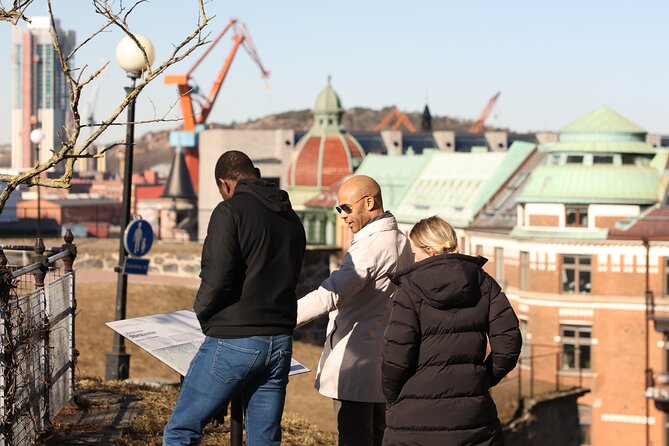
One of the city’s hills provides a viewpoint and a chance to see old fortifications. This is where the defensive story becomes easier to understand. From higher ground, you can connect the city’s position, its protected areas, and its urban growth.
The viewpoint also gives the walk a welcome change of pace. After streets and buildings, a broader view helps you place the central districts in relation to one another. Marcus’s explanations about the walls and fortifications are likely to make this stop more than a quick photo break.
You should wear comfortable shoes. The tour lasts nearly two hours and includes a hill, so the route is not a flat stroll from one café to the next. The information does not specify the hill’s height or the exact amount of climbing, so anyone concerned about mobility should ask before booking.
There is a second city viewpoint later in the route, with several points of interest visible from it. That repeated use of high ground gives the walk a helpful visual thread: you are not just hearing about Gothenburg, you are repeatedly looking across it.
More History Walks in the world:
- Rome: Guided Bar Crawl with Drinks & Dark History
★ 4.9 · 444 reviews - Tipsy Tour: Guided Bar Crawl In Florence with Dark History
★ 5.0 · 271 reviews - NYC: Night Out Prohibition History Bar and Speakeasy Tour
★ 4.6 · 128 reviews - Rome Night Tipsy Tour & Bar Crawl with Forbidden History
★ 5.0 · 80 reviews
The indoor fish market and the big food market
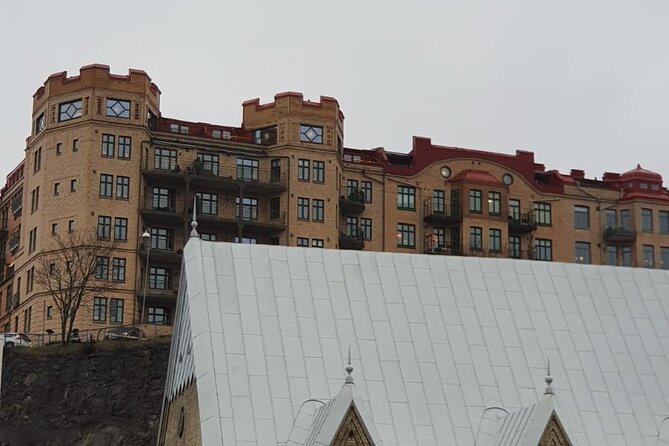
The indoor fish market is one of the more distinctive stops. Its unusual appearance makes it a recognizable point of interest, even for someone who is not buying fish.
I like this part because it connects architecture, local commerce, and food traditions. A market tells you how a city eats and shops, not only how it fought or built churches. The indoor setting also adds variety if the weather is cool or wet.
The tour then reaches a large market where you can buy meat, cheese, vegetables, and much more. This is a practical stop for anyone staying in an apartment, preparing a picnic, or simply curious about local food shopping. It is also a good place to return after the tour because you will already know where it is.
Do not confuse a market visit with a food tour. The route appears to point out these places rather than include purchases or tastings. Bring your wallet only if you plan to shop, and leave room in your schedule if you want to browse properly. The walking tour itself keeps moving.
The Garden Society and Gothenburg’s cathedral
The route passes the Horticultural Gardens, also known as the Garden Society. The guide points it out rather than promising a full garden visit. Even so, its presence adds another layer to the city: Gothenburg is not only fortifications, markets, and busy streets but also planned green space.
If you want to visit the gardens in detail, make a note of the location and return later. The walking tour has too many other stops to give every place a long visit. This is one of the central trade-offs of the experience: you collect useful leads, then choose which ones deserve more of your own time.
You will also pass one of Gothenburg’s famous cathedrals. The cathedral is open to visitors, so you may be able to return for a closer look. The tour information does not promise a guided interior visit, so plan on an exterior explanation during the walk unless Marcus tells you otherwise.
Churches are valuable here because they add civic and religious context to the city center. You get another way to read Gothenburg’s past, alongside the armory and fortifications.
An electric boat option and more city views
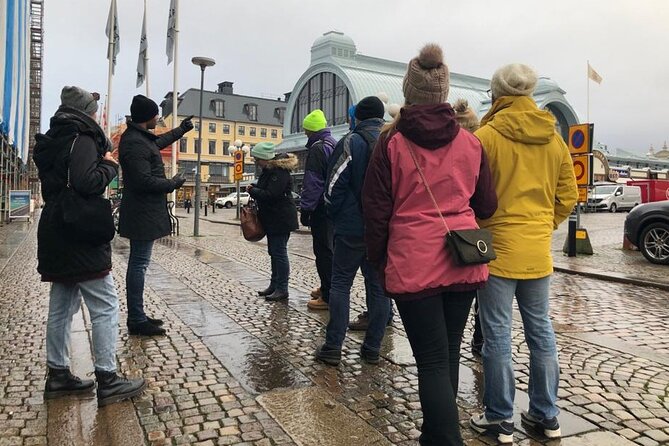
The route passes an electric boat company, where you may be eligible for a discount. The amount and terms of the discount are not specified, so ask Marcus for the current details before you rely on it.
This is a smart addition to a walking tour. Gothenburg is a city shaped by water, and a boat ride could show you a different side of the center after you finish the walk. The guide does not turn the tour into a boat excursion, but he gives you a possible follow-up activity.
Another viewpoint offers a pleasant look across the city and highlights several interesting points of interest. I would use this pause to ask Marcus practical questions: Which areas are best for dinner? Which sights deserve a return visit? Where should you go if you have only one more afternoon?
The guide’s travel experience may also make conversation more relaxed. One review describes him as someone who enjoys travel and comparing places, which suggests the tour can become a friendly exchange rather than a one-way speech.
Plazas, old buildings, churches, and shopping streets
Several later stops focus on the city’s public spaces. You will visit a plaza with an unusual story and nearby bars, then see an interesting historic building. Another pleasant square has many restaurants and bars, while a separate stretch offers plenty of shopping.
These stops may sound less dramatic than the fortifications, but they are valuable for planning the rest of your stay. Squares and shopping streets are easy places to revisit, and knowing where they sit in relation to the markets and churches helps you move around with less guesswork.
The shopping portion is especially useful if you want to combine sightseeing with time in stores. The route does not promise a shopping discount or a dedicated shopping guide, so think of this as orientation rather than a buying excursion.
You will also pass Gothenburg’s German-speaking church. That stop adds another piece to the city’s cultural and religious story. Since the details do not promise entry, expect Marcus to explain its place in the city from outside.
Fortification remnants and the 17th-century lodge
A plaza built on top of an old fortification gives the defensive theme one more clear expression. By this point, Marcus will have had several chances to connect the city’s walls, hills, armory, and protected spaces.
This kind of stop is useful because fortifications often disappear beneath modern streets. A plaza placed over an old defensive structure lets you see how the city changed while still retaining traces of its earlier shape. Look for the relationship between the open public space and the older structure beneath it.
The route also includes an old 17th-century lodge in the city center. Its survival adds a small-scale human detail to the larger story of walls and public buildings. A lodge can show how people used the city in everyday life, not simply how authorities defended it.
Again, the stated tour does not guarantee interior admission. If the lodge or any other building catches your attention, ask Marcus whether it is open and worth returning to after the walk.
Finishing at the bridge with a view
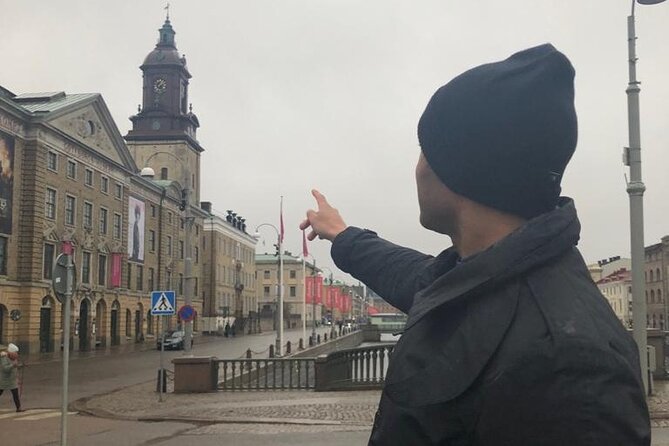
The final stop is a bridge with a good viewpoint. Ending with a view is a sensible choice because it lets you look back over the central area you have just crossed.
The bridge also gives the route a clear finish before you return to Gustav Adolf’s Square. You are not left at an unfamiliar attraction with directions to work out. That matters if you are tired, using public transport, or heading to a booking afterward.
The tour lasts about 1 hour and 45 minutes, so it is long enough to cover a wide range of places without taking over half your day. One review described the length as neither too long nor too short, and that feels like a fair description of the format. You get substantial orientation, but you still have time for lunch, museums, shopping, or a boat ride.
Price, group size, and practical value
At $51.15 per person, this is not the cheapest way to stroll around central Gothenburg. Its value depends on what you want from a guide.
I think the price makes sense if you want a structured first look, historical explanations, food and drink suggestions, and several viewpoints in one outing. The tour covers enough ground that you would probably miss some connections if you walked alone with only a map.
The value is weaker if you mainly want museum entry, food samples, or long stops inside historic buildings. None of those features is promised. You are paying for the route, the guide’s explanations, and the useful local orientation.
The group can include up to 20 people. That is not a private walk, but it is still a manageable maximum for a city tour. Marcus’s friendly style and openness to questions should help keep the experience personal, though the group size may affect how much individual conversation you get.
The tour is offered in English and uses a mobile ticket. It is near public transportation, service animals are allowed, and most people can participate. Confirmation arrives when you book. You can cancel for a full refund up to 24 hours before the start time, but changes or cancellations inside that window are not accepted. A minimum number of participants is required, and if the tour cannot run for that reason, you will be offered another date or experience or receive a full refund.
Who should book this Gothenburg walk?
I would recommend it most strongly to first-time visitors who want to understand central Gothenburg before choosing how to spend the rest of their stay. It also suits anyone who likes history but wants food markets, bars, shopping, and city views mixed into the route.
This is a good fit for you if:
- You want a compact introduction on your first day.
- You enjoy learning how old walls and buildings shaped a modern city.
- You want suggestions for restaurants, bars, cafés, and markets.
- You prefer a guide-led walk to exploring alone.
- You are happy seeing some places from outside and returning later.
I would look elsewhere if you want a slow architectural tour, a dedicated food tasting, or guaranteed interior visits. The pace covers a lot, and the route’s strength is breadth rather than extended time at one attraction.
Should you book it?
Book this tour if you want Gothenburg to make sense quickly. Marcus’s enthusiasm, focus on the city’s defenses, and willingness to offer practical advice give the walk a useful human touch. The markets, churches, squares, shopping streets, and viewpoints keep it from becoming a narrow history lecture.
At $51.15, I would see it as a good orientation purchase, especially early in your visit. Use the walk to choose where you want to eat, shop, explore by boat, or return for a closer look. If you want depth at every stop, the short format will disappoint. If you want a friendly, efficient introduction with plenty of ideas for the days ahead, it is a sound choice.
FAQ
Where does the Gothenburg walking tour start?
The tour starts at Gustav Adolf’s Square, Gustav Adolfs torg, in the Nordstaden area of Gothenburg, Sweden.
What time does the tour begin?
The stated start time is 12:00 p.m.
How long does the experience last?
The walking tour lasts approximately 1 hour and 45 minutes.
What language is the tour offered in?
The tour is offered in English.
How many people can join the tour?
The maximum group size is 20 people.
Does the tour return to its starting point?
Yes. The activity ends back at the meeting point at Gustav Adolf’s Square.
Just added around the world
- Xi’an Bar Crawl: Drink, Gaming, Snacks & Meet with Locals★ 4.0 · 13 reviews
- WOODCUTTER – AXE THROWING & BAR EXPERIENCE IN FRANKFURT★ 3.4 · 8 reviews
- Zurich: bar tour★ 5.0 · 4 reviews
- 6-10 Vodka Shots Private Tasting Tour at Best Warsaw Bars★ 4.7 · 11 reviews
- Puerto Vallarta: All you can drink Bar Crawl★ 4.8 · 4 reviews
- Warsaw Private Polish Beer Tasting Tour at Best Pubs & Bars★ 4.4 · 4 reviews
- Verona Guided Bar Crawl in the Old Town★ 4.9 · 8 reviews
- Vegas: 4-Hour Club Crawl with Party Bus Experience★ 3.9 · 74 reviews
Bar Crawls, compared.

Madrid Tapas & Wine Tasting Walking Tour – Small Group Local Bars
Read our review →
Tokyo Bar Hopping Tour in Shinjuku (All-You-Can-Drink + Dinner)
Read our review →
Guided Pub Tour to Ruin Bars with Games & 6 Shots
Read our review →

Bar and Club Crawl to 5 Central London Venues
Read our review →
Aruba Nightlife and Barhopping on Chogogo Party Bus
Read our review →
Browse the lists this tour appears in