
REVIEW · SALZBURG, AUSTRIA
Guided Wine Tasting in a Hidden Wine Bar
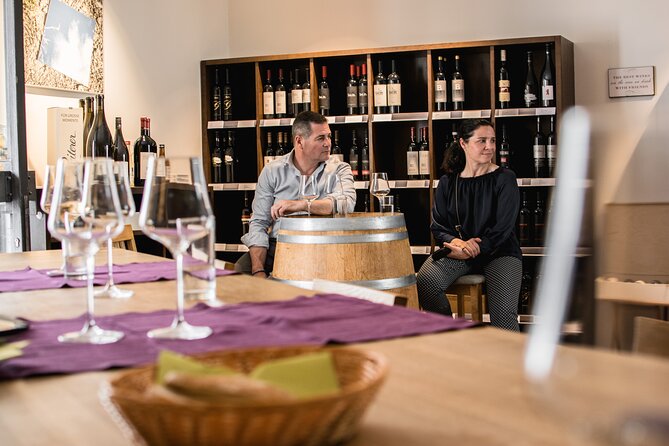
Taste Salzburg one glass at a time. This short experience appeals to me for its small-group setting of up to 10 people and its mix of Austrian wine, regional snacks, and local conversation. I also like that it begins at De Gustibus wine shop, right in central Salzburg, and is led by a wine professional rather than built around a large coach group.
The main caution is consistency. Some sittings offer clear explanations and well-matched snacks, while others feel like three glasses poured with little guidance. The advertised hidden wine bar may also feel more like a shop on a main street, so I would book this for a relaxed taste of Austrian wine, not for a formal wine course.
Key points to know before booking
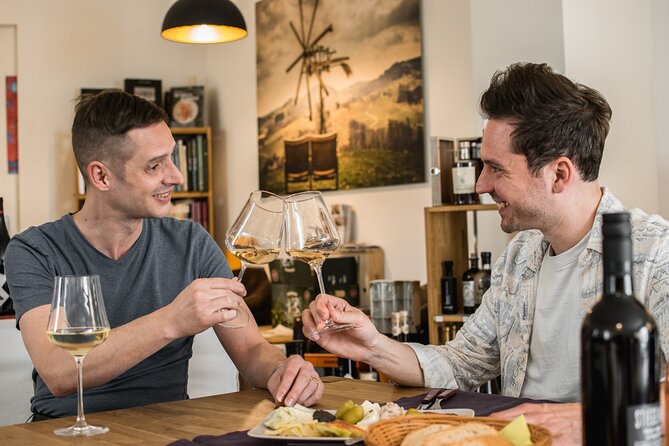
- Three Austrian wines in the standard option: Expect a sparkling, white, and red selection in the most praised version of the tasting, though the exact wines can vary.
- Small snacks accompany the pours: Regional spreads, appetizers, and charcuterie-style plates add useful context to the wine.
- A maximum of 10 people keeps it personal: This is a far more intimate format than a large city food tour.
- The premium choice adds three more wines: You also move between wine bars and receive more snacks.
- The setting may be less secret than expected: The wine shop is on Bergstraße, a main street in Salzburg.
- English-language hosting is offered: The minimum drinking age is 18, and the experience lasts about 45 minutes in its standard form.
A short introduction to Austrian wine in Salzburg
Austria has a long wine tradition, with grape growing reaching back to Roman times. Today, around 45,000 hectares of vineyards are cultivated across the country, with the best-known wine areas spread through Lower Austria, Burgenland, Styria, and Vienna.
You will not see those regions in person during this Salzburg tasting. What you do get is a compact introduction to bottles from Austria, with the host explaining the flavors and background of each pour. That makes the experience useful early in a Salzburg visit, especially if Austrian wine names and styles are new to you.
The standard format centers on three wines. A well-run session may include sparkling, white, and red wine, giving you a simple sense of range. Other sittings have focused only on white wine, so you should treat the selection as flexible rather than guaranteed.
That flexibility can work in your favor if you already know what you like. You may be offered a choice between red and white, and the host can shape the tasting around the group. If you want a set lineup of particular grapes or regions, this is not the safest choice.
More Wine Bar and Tasting Crawls in the world:
- Madrid Tapas & Wine Tasting Walking Tour – Small Group Local Bars
★ 5.0 · 3,644 reviews - Four hour walking wine tasting tour of Manchester’s best bars
★ 5.0 · 136 reviews - Vienna Nightlife Experience: Food, Wine, Cocktails & Vibes
★ 5.0 · 119 reviews
Starting at De Gustibus on Bergstraße
The meeting point is Wine Shop De Gustibus at Bergstraße 14, 5020 Salzburg. The activity ends at the same place for the standard option, so you do not need to arrange a separate ride back to the old town or your hotel.
The shop setting gives the tasting a local, informal feel. You are not being seated in a grand cellar or a formal tasting room. Instead, you may find yourself at a working wine business where other people are also stopping in for a drink.
That can be a pleasure. One especially appealing part of the experience is the chance to chat with local customers. This has led to useful suggestions about places to visit in Salzburg, adding an unscripted social touch that a polished tour sometimes lacks.
Still, keep your expectations in check. The phrase hidden wine bar suggests a secret, atmospheric room. In practice, the location is on a main street, and some people find the decor and atmosphere ordinary. I would think of it as a local wine shop with a tasting setup, not a theatrical secret bar.
Arrive with the address saved on your phone. Confirmation is provided at booking, and a mobile ticket is accepted. The meeting point is near public transportation, which makes it easy to fit into a day of sightseeing without a car.
What happens during the three-wine tasting
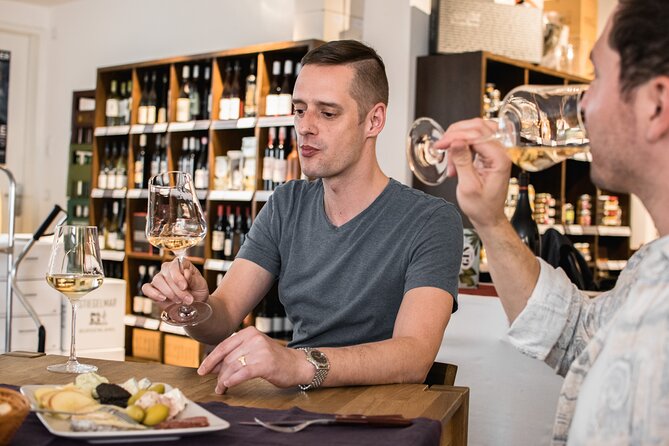
The standard activity lasts about 45 minutes. That is enough time for three small pours and a basic introduction, but not enough for a long technical lesson on Austrian viticulture.
You will taste three wines guided by a wine expert. The selection can range from classic regional wines to bottles from other parts of Austria. Each wine is meant to come with an explanation of its flavors and background, plus a small snack.
The most satisfying version of the experience follows a clear progression. A sparkling wine gives you a fresh opening, a white wine shows Austria’s best-known style range, and a red adds contrast. The snacks help you notice how acidity, fruit, spice, and texture work with food.
In a less engaging sitting, the host may simply pour the wine and identify the bottle. That difference matters. If you care about tasting technique, Austrian wine regions, or producer details, you will want active instruction. Ask direct questions about the grape, region, producer, and reason for the food pairing. A strong host should welcome those questions.
The amount of education has not been uniform. Some sessions include clear, well-presented introductions. Others provide little more than information from the label. One especially important criticism was the absence of a map of Austrian wine regions or a useful explanation of where each bottle came from.
That does not make the tasting worthless, but it changes the value. You are paying not only for the wine and food, but also for the host’s interpretation. If that part is missing, the price feels high.
The snacks are more important than they first appear
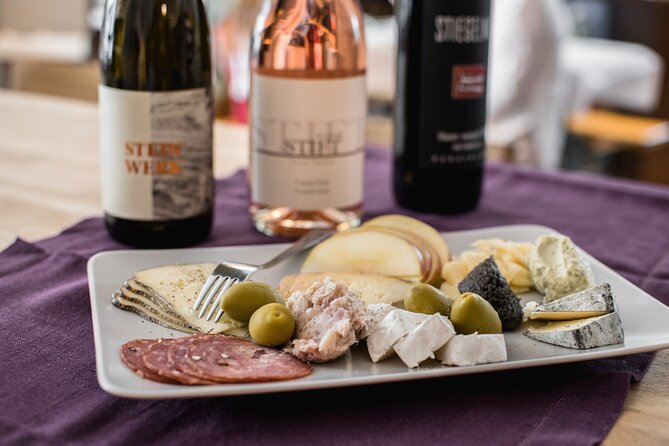
The small food plates are one of the strongest parts of the experience. Depending on the sitting, you might receive regional spreads, local delicacies, appetizers, or a nicely arranged charcuterie plate.
These are not a full meal. They are there to keep the tasting comfortable and show how the wine works with food. For a short session, that is the right amount. You can continue with dinner afterward rather than leaving stuffed.
The food also gives the tasting a local touch. Some people have enjoyed unusual appetizers they had not tried before, while others praised the tidy presentation of the charcuterie. If you like the social side of wine, sharing small bites makes it easier to talk with the group and people at the shop.
I would not book this as a substitute for a Salzburg food tour. The food is an accompaniment, not the main event. Its value comes from supporting the wine and adding a bit of regional character.
Same place, a different kind of night:
- Pedal Bar Crawl of Old Town Scottsdale
★ 5.0 · 4,254 reviews - Tokyo Bar Hopping Tour in Shinjuku (All-You-Can-Drink + Dinner)
★ 5.0 · 3,587 reviews - Prague: Pub Crawl with Unlimited Drinks & 5-floor Club Entry
★ 4.2 · 2,955 reviews - Budapest: Guided Pub Tour to Ruin Bars with Games & 6 Shots
★ 4.7 · 1,641 reviews
The host makes or breaks the experience
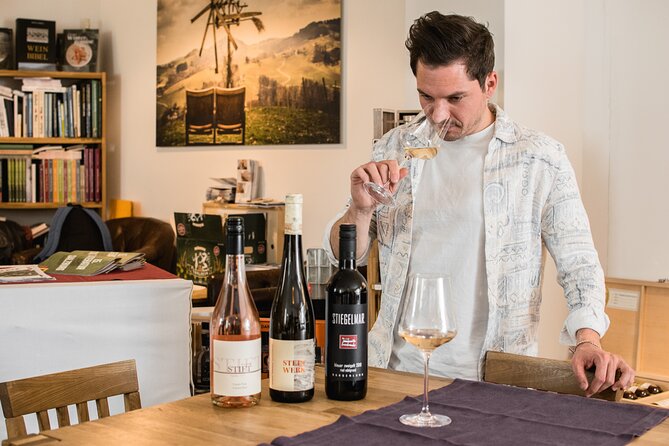
This is the most important point to understand before booking. The host’s energy and preparation can turn the session into a warm, useful introduction or a disappointing pour-and-sit affair.
At its best, the host offers a friendly welcome, explains each wine clearly, and connects the flavors to the food. Several sittings have been praised for a warm atmosphere, good wine, and introductions that were easy to follow. The owner has also been described as friendly and fun, with a comfortable social mood in the shop.
At its weakest, the host may appear disengaged, leave guests sitting without explanation, or drink more than expected without adding useful information. That is not a small flaw when the advertised purpose is guided tasting.
Group size affects this. With up to 10 people, a lively group can make the session more enjoyable even if the formal instruction is light. You may meet other visitors or local people stopping in for an afternoon drink. On the other hand, a very small group can feel awkward if the host does not make an effort. A two-person sitting has felt less natural for some people.
You should also know that the host may offer a choice of wine style rather than follow one fixed flight. That is convenient, but it means the educational structure may be looser than at a specialist winery.
The premium option adds time and variety
The premium version includes three additional wines, more snacks, and wine-bar hopping. In practical terms, that gives you a longer tasting and a chance to see more than one setting.
This option makes more sense if you value the social side of the experience. Moving between bars can make the evening feel more like a casual Salzburg outing than a short appointment at a shop. More pours also give you a better chance of sampling different Austrian styles.
There is a tradeoff. Six wines require more time and responsible pacing, especially if you are planning another activity afterward. The exact structure of the premium route is not fully specified, so you should not assume a fixed list of bars, a particular number of regions, or a formal comparison of all six wines.
One account described five wines, including a Weinviertel DAC Reserve as a favorite, along with music and historical storytelling. That sounds like a fuller festive format, but you should not assume every booking follows that same program. The safest expectation is three extra wines and snacks, with the possibility of a more social bar-to-bar format.
Is $45.27 a fair price?
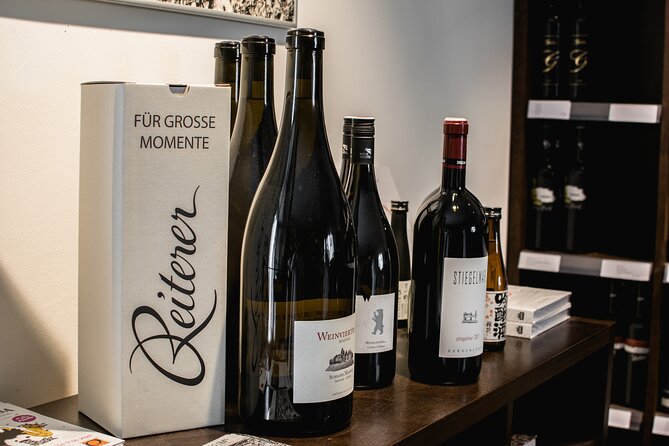
At $45.27 per person, the standard option sits in the range where expectations matter. For three wines in a central Salzburg shop, the price is not a bargain if you receive almost no explanation. It becomes more reasonable when the wine is good, the snacks are thoughtfully prepared, and the host provides real context.
You are paying for convenience as well as consumption. The tasting is central, short, in English, and limited to a maximum of 10 people. You do not need to research an Austrian wine bar or guess what to order. For someone with only a few days in Salzburg, that simplicity has value.
Still, this is not the right purchase if your main goal is the largest possible quantity of wine. A bar could likely sell you three glasses for less. The reason to choose this activity is the guided element, the local setting, and the chance to taste wines you might not select on your own.
The premium option may offer better value for a committed wine drinker because it adds three wines, snacks, and more than one location. But the extra value depends heavily on the host delivering the educational and social side well.
Who will enjoy this Salzburg tasting?
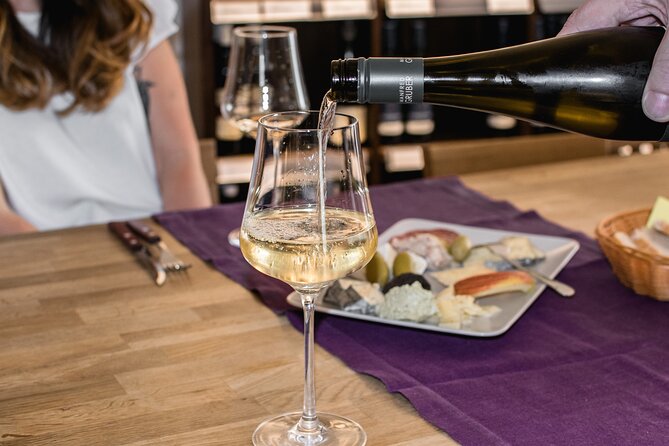
I would recommend the standard option to you if you want a gentle introduction to Austrian wine without spending half a day outside Salzburg. It suits couples, solo visitors who enjoy meeting people, and small groups looking for a low-effort evening activity.
It also works well for people who like wine but do not need technical detail. You can simply taste three wines, eat a few local snacks, and talk with others in a relaxed setting.
You may want to skip it if you expect a formal sommelier class. The wine selection may change, only white wine may be offered, and the amount of explanation can be uneven. It is also a poor fit if you are looking for a dramatic cellar, vineyard views, or a polished design-led bar.
The activity is not suitable for anyone under 18 because the minimum drinking age is 18. Service animals are allowed, public transportation is nearby, and the tour is open to most people. Those practical details make it easy to add to a Salzburg itinerary.
Simple ways to get more from the 45 minutes
Before the first pour, ask whether the wines come from different Austrian regions. This immediately gives the host a chance to add useful structure rather than simply naming the bottles.
Ask about the grape variety, region, producer, and food pairing. If you want to compare white and red wine, say so early, since the selection may be adjusted to the group.
Take notes on the names of wines you enjoy. Austrian labels can be unfamiliar, and remembering a grape or region gives you a better chance of finding a similar bottle later in your trip.
Do not arrive expecting a full meal. Have your main dinner plan ready, especially for the standard 45-minute option.
If the premium tasting appeals to you, allow more room in your evening. Its extra pours, snacks, and bar stops are the point, so rushing directly to another reservation would weaken the experience.
Cancellation is flexible if your plans change: you can receive a full refund by canceling at least 24 hours before the local start time. Changes or cancellations inside that window are not accepted for a refund.
Should you book this wine tasting?
Book it if you want a convenient, small-group way to sample Austrian wine in central Salzburg, and if friendly conversation matters as much to you as formal instruction. The best version offers three good wines, tasty local snacks, a warm welcome, and useful background in less than an hour.
I would choose the premium option only if you want a longer, more social outing with extra pours and wine-bar stops. For serious wine students, I would look for a more structured tasting with a fixed lineup and a clear regional presentation.
The experience has genuine charm, but it is not perfectly predictable. Go expecting an informal shop tasting rather than a grand secret cellar. With that expectation, the good wine, local food, and chance to meet people can make the $45.27 price worthwhile.
FAQ
Where does the wine tasting begin?
It begins at Wine Shop De Gustibus, Bergstraße 14, 5020 Salzburg, Austria.
Where does the standard activity end?
The standard activity ends back at the meeting point.
How many wines are included?
The standard experience includes three wines. The premium option adds three more wines, for six listed pours in total.
How long does the standard tasting last?
The standard tasting lasts approximately 45 minutes.
Is the tasting offered in English?
Yes. The experience is offered in English.
What is the minimum drinking age?
The minimum drinking age is 18 years old.
Just added around the world
- Xi’an Bar Crawl: Drink, Gaming, Snacks & Meet with Locals★ 4.0 · 13 reviews
- WOODCUTTER – AXE THROWING & BAR EXPERIENCE IN FRANKFURT★ 3.4 · 8 reviews
- Zurich: bar tour★ 5.0 · 4 reviews
- 6-10 Vodka Shots Private Tasting Tour at Best Warsaw Bars★ 4.7 · 11 reviews
- Puerto Vallarta: All you can drink Bar Crawl★ 4.8 · 4 reviews
- Warsaw Private Polish Beer Tasting Tour at Best Pubs & Bars★ 4.4 · 4 reviews
- Verona Guided Bar Crawl in the Old Town★ 4.9 · 8 reviews
- Vegas: 4-Hour Club Crawl with Party Bus Experience★ 3.9 · 74 reviews
Wine Bar and Tasting Crawls, compared.
Madrid Tapas & Wine Tasting Walking Tour – Small Group Local Bars
Read our review →
St. Augustine’s Wine, Cocktail and Food Experience
Read our review →
Luxury Boat Cruise Unlimited Cocktails, Beers & Wines
Read our review →
Wine and Cheese Tasting Lunch in Portuguese Wine Bar
Read our review →
8-Tier Hungarian Wine Tasting in a Cozy Downtown Wine Bar
Read our review →
Sunset Sail from Traverse City with Food, Wine & Cocktails
Read our review →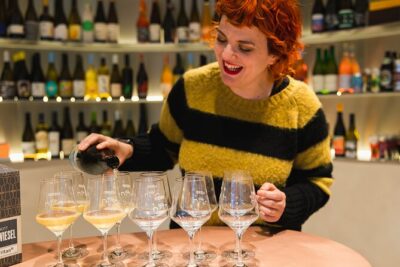
Four hour walking wine tasting tour of Manchester’s best bars
Read our review →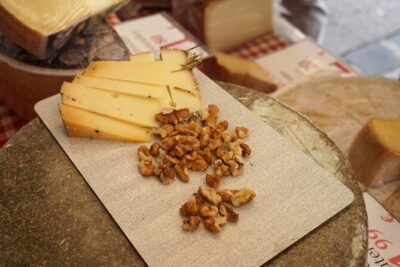
Vienna Nightlife Experience: Food, Wine, Cocktails & Vibes
Read our review →Browse the lists this tour appears in